
Why in News?
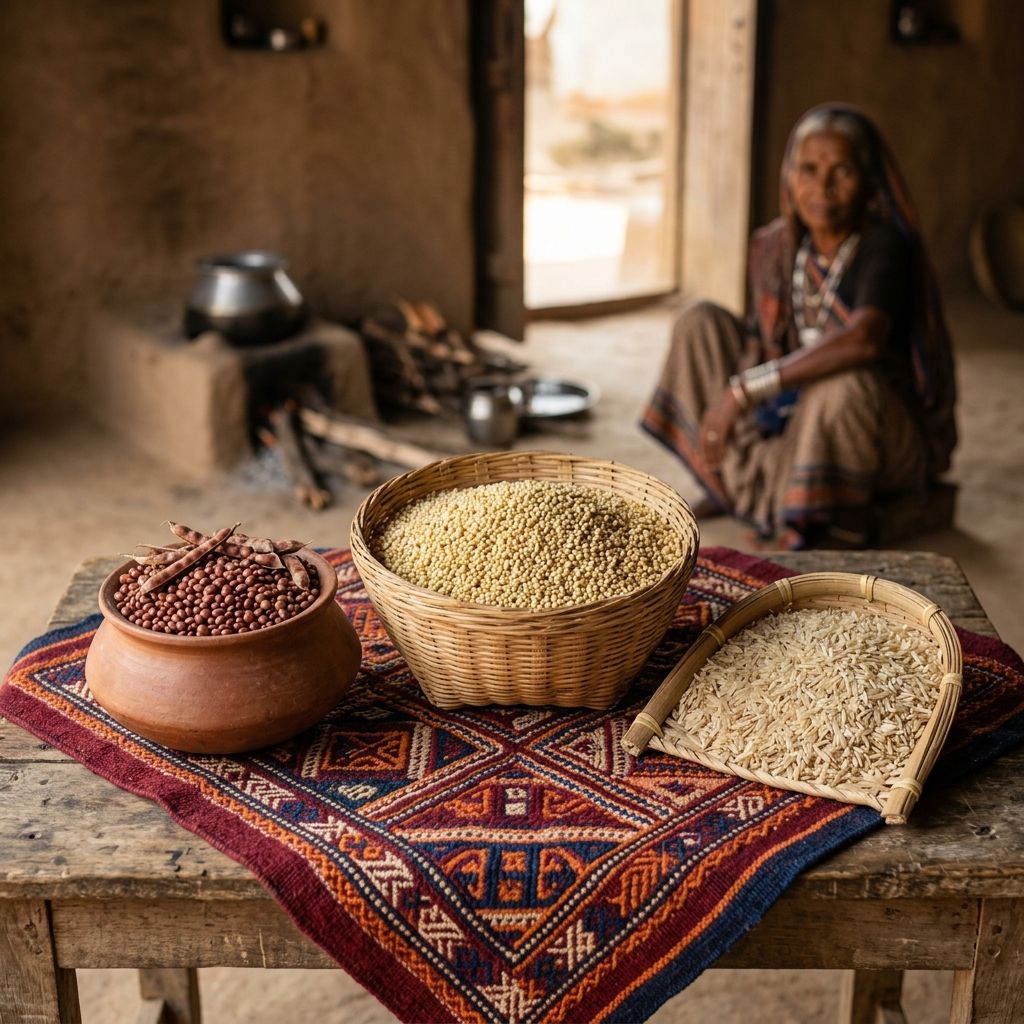
Four traditional tribal crops of Madhya Pradesh have been granted the Geographical Indication (GI) tag. This recognition marks a significant step toward preserving the unique quality, geographical origin, traditional farming methods, and indigenous tribal heritage of these crops. The GI status will help increase farmers' incomes, encourage organic farming, and establish a strong presence for these products in global markets.
Details of the Four GI-Tagged Crops
A brief breakdown of the agricultural and geographic traits of each of the four crops is detailed below:
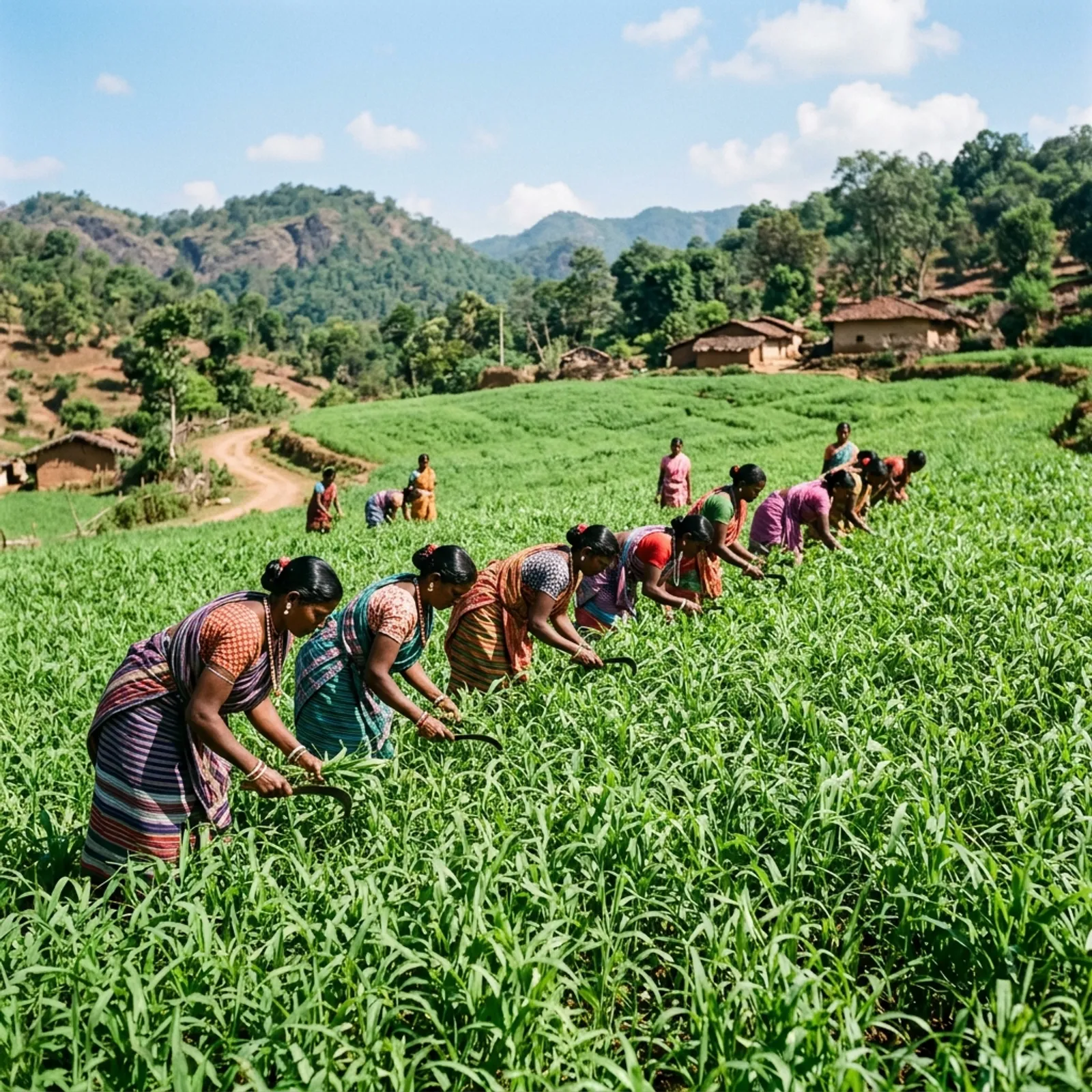
- Sitahi Kutki: A traditional small millet crop cultivated mainly by the Baiga and Gond tribes in the Dindori district. It is highly nutritious, drought-resistant, and grown using age-old organic methods.
- Nagdaman Kutki: Another rain-fed small millet variety grown by Gond and Baiga tribal communities in Dindori. It serves as a primary food crop for these tribes and is valued for its rich dietary fiber and mineral content.
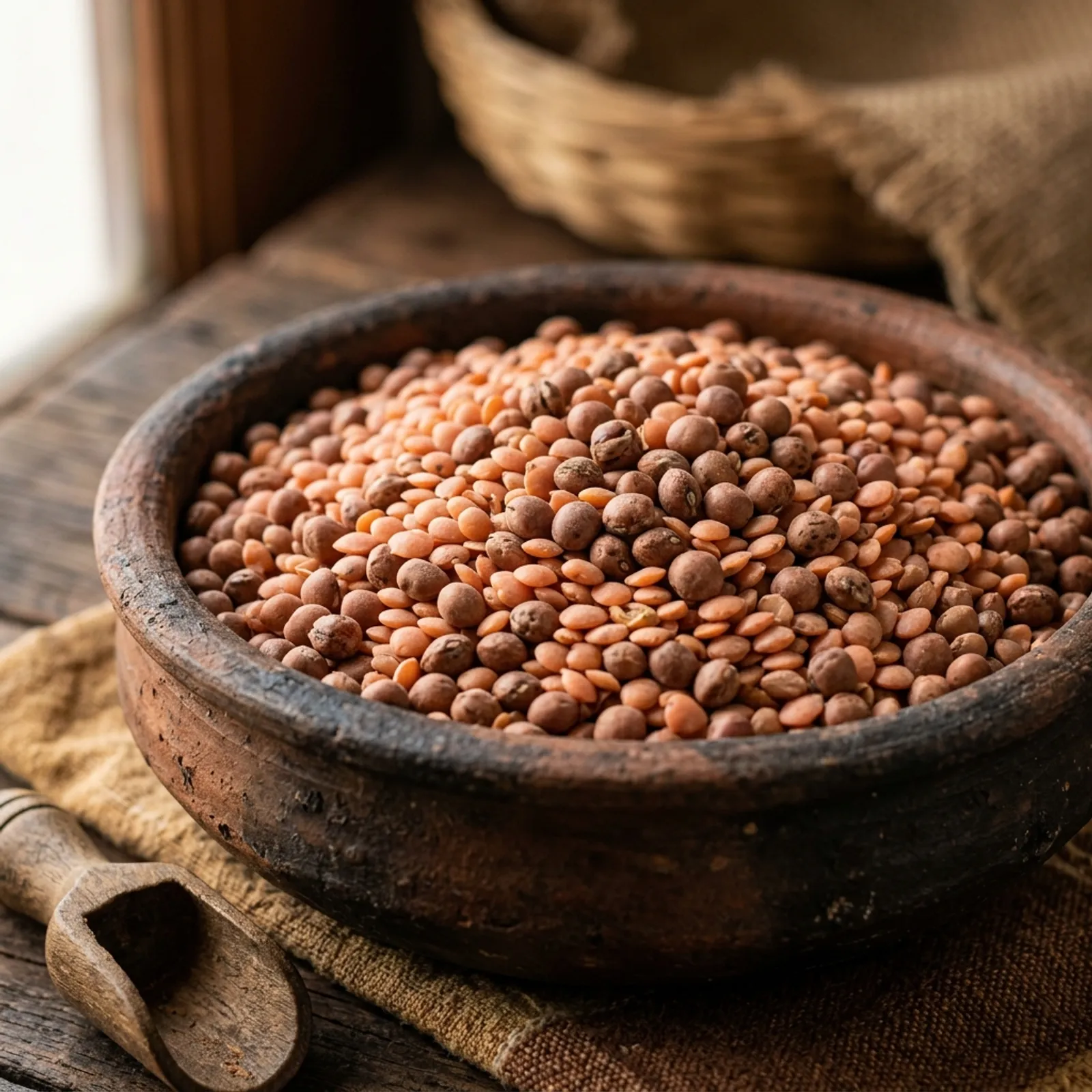
- Baigani Arhar: An indigenous pigeon pea (toor dal) variety cultivated by the Baiga PVTG in Dindori. Since it is grown completely free of synthetic fertilizers and chemicals, it holds an exceptional earthy flavor and texture.
- Mahakoshal Chhatriya Rice (Chhatriya Dhan): A traditional variety of paddy cultivated in Jabalpur and Katni districts. It is renowned locally for its distinct aroma, superior taste, and resistance to regional climate extremes.
Comparative Overview of the Four GI Crops
| Crop Name | Cultivation Region | Associated Tribe | Key Features & Merits |
|---|---|---|---|
| Sitahi Kutki | Dindori | Baiga & Gond |
Key GI Products of Madhya Pradesh (Exam Revision)
Important GI products of Madhya Pradesh that frequently appear in state-level exam papers:
| Product Name | Category | Origin District |
|---|---|---|
| Chanderi Saree | Handloom Textils | Ashoknagar |
Tribal Profile: Baiga and Gond Tribes
The farming clusters of these crops are closely aligned with two major tribal groups in Madhya Pradesh:
- Baiga Tribe: Classified as a Particularly Vulnerable Tribal Group (PVTG) by the Government of India. They reside heavily in Dindori, Mandla, and Balaghat districts and strictly adhere to traditional, chemical-free organic farming practices.
- Gond Tribe: One of the largest tribal communities in Central India. They have a rich heritage of folklore, art (Gond paintings), and sustainable usage of forest and agricultural resources.
One-Liner Revision Checklist
- Four tribal crops from Madhya Pradesh have been awarded GI tags.
- Sitahi Kutki, Nagdaman Kutki, and Baigani Arhar belong to the Dindori district.
- Mahakoshal Chhatriya Rice (Chhatriya Dhan) is cultivated in Jabalpur and Katni.
- The GI Act was passed in 1999 and enacted on September 15, 2003.
- Darjeeling Tea (2004-05) was India's first GI tag, and the GI Registry office is in Chennai.
Practice Questions
1Recently, how many tribal crops of Madhya Pradesh were awarded the Geographical Indication (GI) tag?
2The GI-tagged crops 'Sitahi Kutki' and 'Nagdaman Kutki' are associated with which district of Madhya Pradesh?
3'Baigani Arhar' (pigeon pea) is a part of the traditional agricultural heritage of which tribe in Madhya Pradesh?
4The recently GI-tagged 'Mahakoshal Chhatriya Rice' is primarily produced in which districts?
5Where is the headquarters of the GI Registry located in India?
6In which year was the Geographical Indications of Goods (Registration and Protection) Act passed in India?
7What is the validity period of a Geographical Indication (GI) tag in India?
8Which of the following GI-tagged products does NOT belong to Madhya Pradesh?
Frequently Asked Questions
Article Sources
3 sources
Article Sources
3 sources