
Introduction: Baiga Tribe
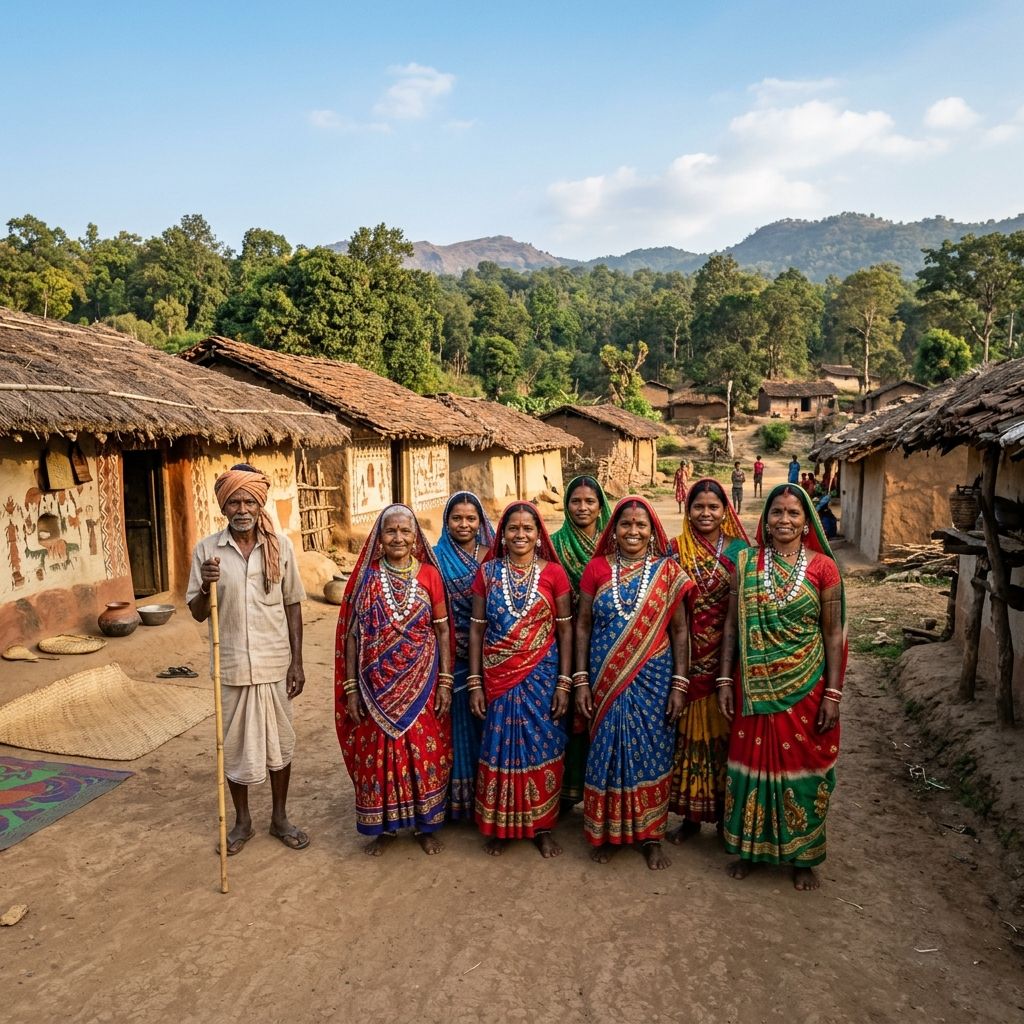
India's tribal culture is one of the richest cultural heritages globally. Madhya Pradesh, often called the "Tribal Heartland of India," is home to numerous tribal communities, among which the Baiga tribe stands out due to its unique culture, deep affinity with nature, traditional farming, and ancient lifestyle.
The Baiga tribe is classified as a Particularly Vulnerable Tribal Group (PVTG) by the Government of India. Residing in the dense forests of Central India for centuries, they consider themselves the earth's first human community.
What is a PVTG?
PVTG status is assigned by the Government of India to tribal communities facing social, economic, and educational marginalization, characterized by low literacy, stagnating population, and reliance on pre-agricultural technology. Currently, there are 75 such recognized PVTG groups in India.
Origin and Geographical Distribution of Baiga Tribe
Origin & Mythology of the Baigas
The Baigas trace their ancestry back to Nanga Baiga and Nangi Baigin, whom they believe were the first humans created by God to protect and serve the earth.
Geographical Distribution
Residing across Madhya Pradesh, Chhattisgarh, Jharkhand, Maharashtra, and Uttar Pradesh. Within MP, they are located in Dindori (Baiga Chak), Mandla, Balaghat, Anuppur, Umaria, and Shahdol.
Traditional Agriculture & Livelihood of Baigas
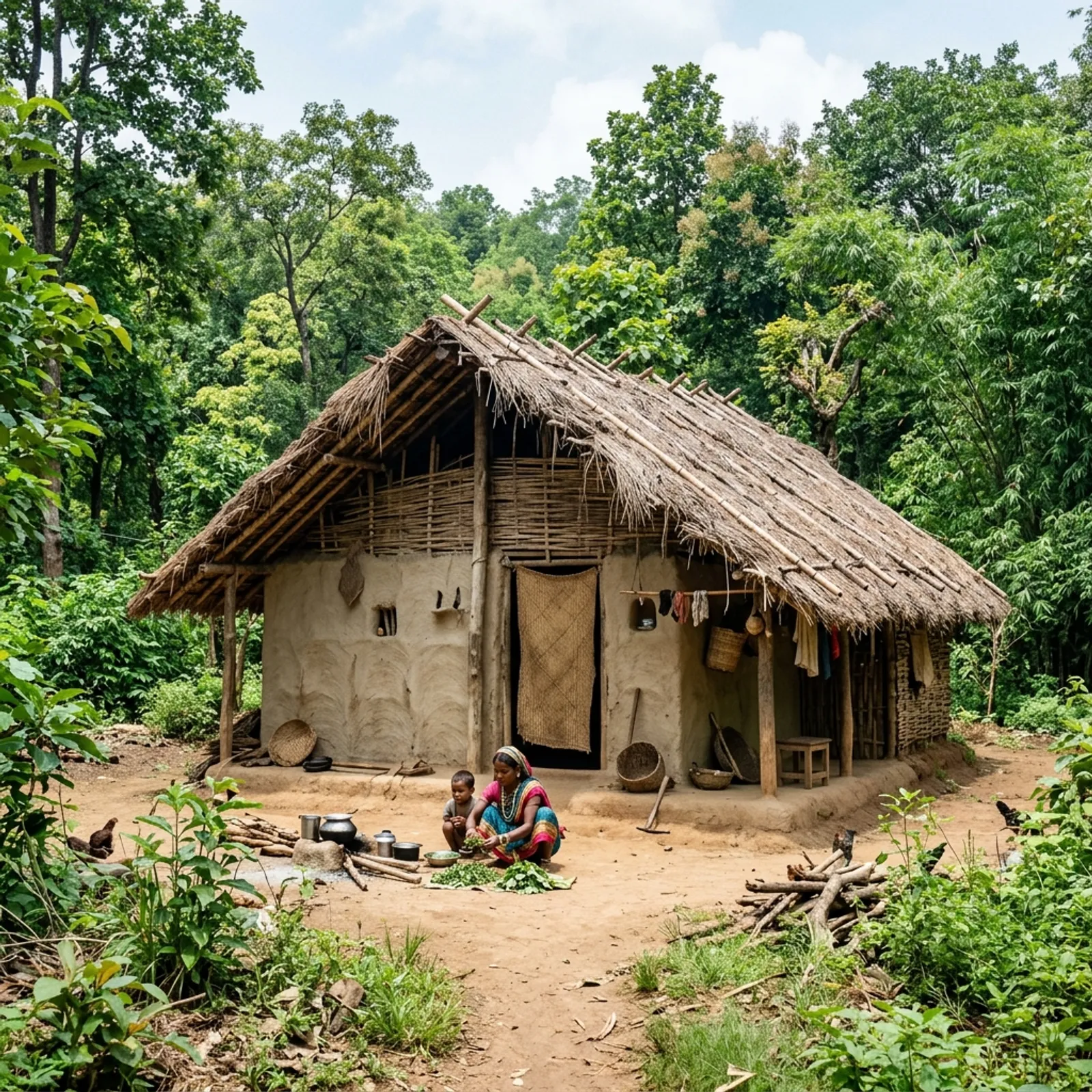
Bewar Shifting Farming
Bewar Farming: Highly eco-friendly shifting cultivation. The Baigas avoid tilling the soil with iron ploughs as they consider the earth their mother ("we cannot tear the chest of Mother Earth").
Key crops include coarse grains like Kodo and Kutki (which recently received GI tags in MP), maize, sorghum, and pigeon pea. Forest produce collection (honey, medicinal plants, lac, tendu leaves) also forms their economic core.
Cultural Lifestyle, Cuisine & Tattooing (Godna)
Dietary Habits & Godna Art
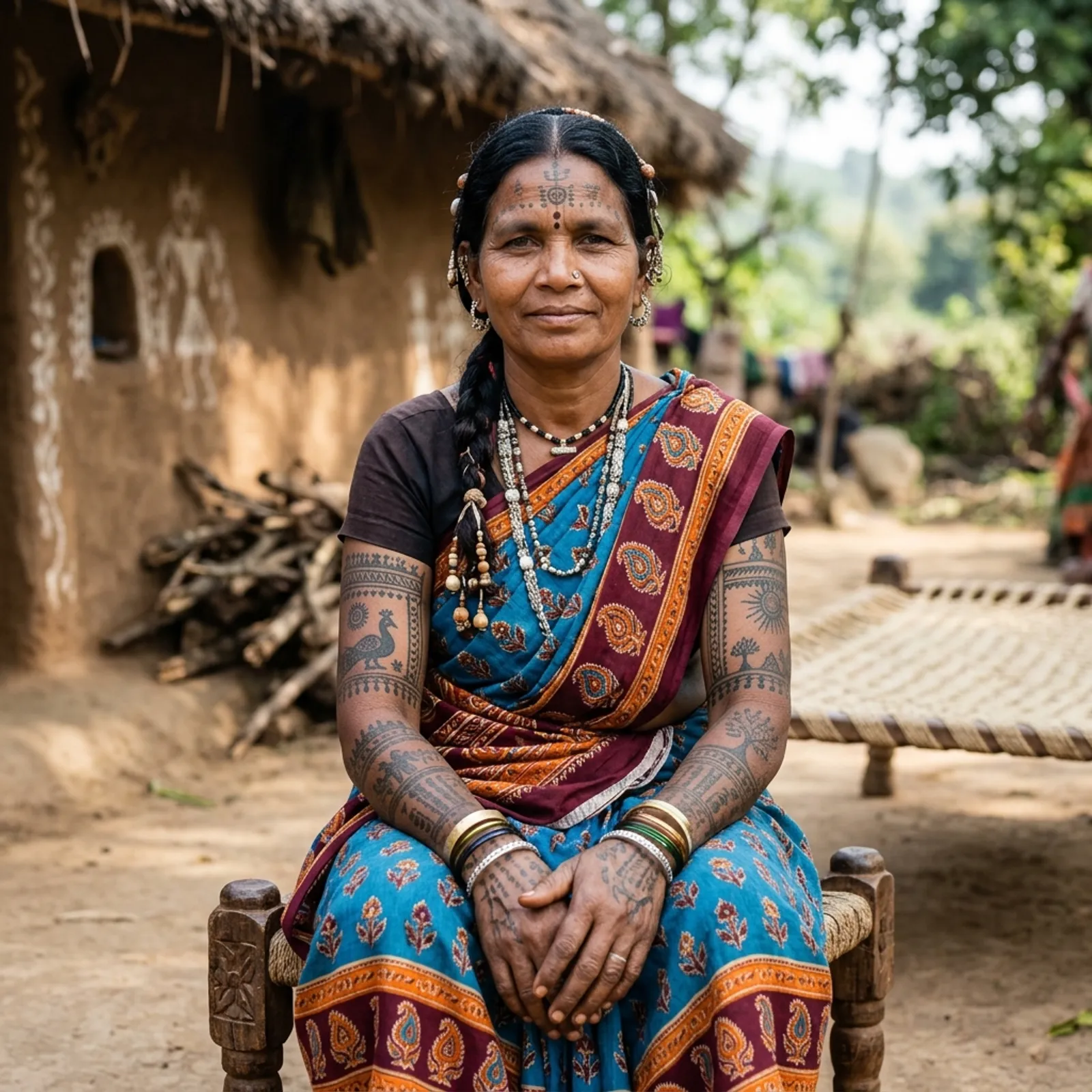
Traditional diet revolves around Pej and Kodo-Kutki. Tattoos (Godna) are mandatory for women, serving as permanent bodily ornaments that they believe carry over into the afterlife.
Spiritualism & Folk Dance
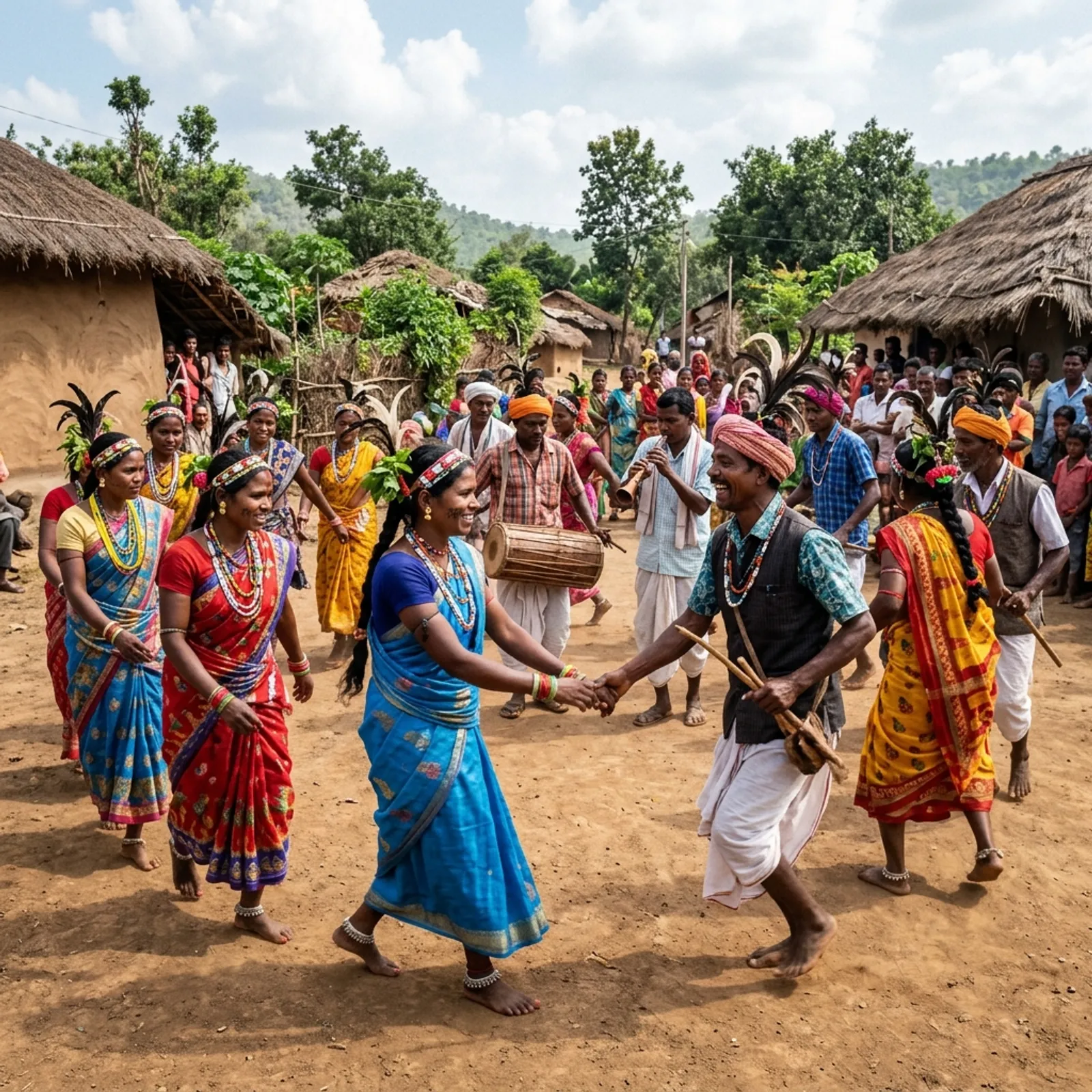
Nature worshippers whose supreme deity is Bada Dev, believed to reside in the Saja tree. Folk dances include Karma (known as the king of folk dances in Central India), Saila, and Reina.
Habitat Rights & Welfare Programs for Baigas
Habitat Rights: The Baiga tribe is among the first in India to receive Habitat Rights under the Forest Rights Act (FRA) of 2006, securing their community ownership over ancestral forest land.
Key schemes like PM-JANMAN, PVTG Development Plan, National Rural Livelihood Mission, and Eklavya Model Residential Schools (EMRS) are actively implemented for their welfare.
Exam Perspective & Revision Points
| Parameter | Details |
|---|---|
| Tribe Classification | PVTG (Particularly Vulnerable Tribal Group) |
| Major Habitat Area in MP | Baiga Chak (Dindori District) |
Practice Questions
1Which of the following traditional agricultural practices is associated with the Baiga tribe?
2Who is the primary deity of the Baiga tribe and in which tree is he believed to reside?
3Which of the following tribal groups became the first in India to receive 'Habitat Rights' under the Forest Rights Act, 2006?
4The 'Godna' (Tattooing) art prevalent among Baiga women is primarily considered a symbol of which of the following?