
Why in News?
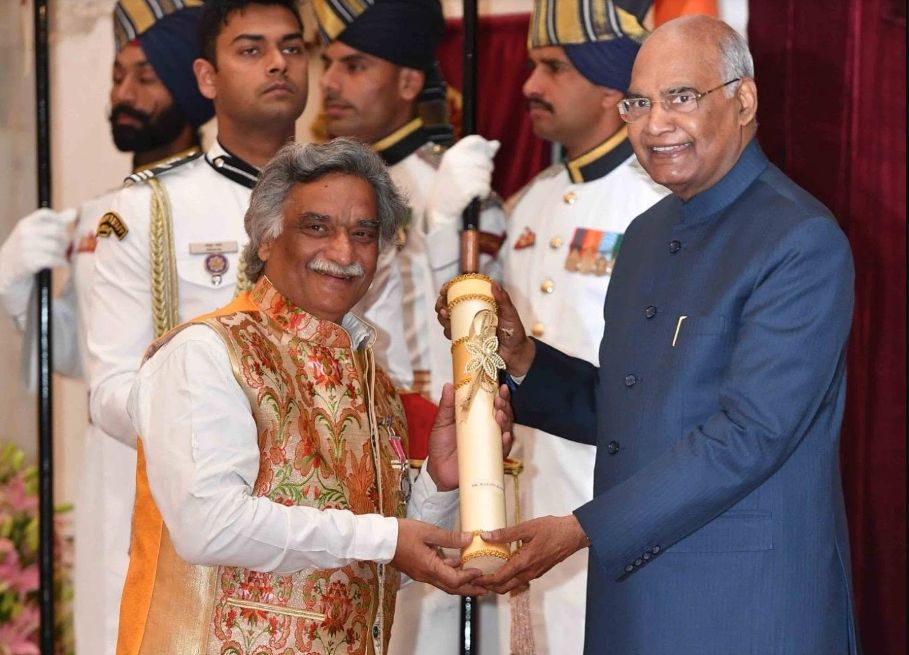
India's rich cultural, agricultural, and handicraft heritage holds a unique global position. Traditional specialties like Banarasi Saree, Kanchipuram Silk, Chanderi Saree, Maheshwari Saree, Ratlami Sev, and Basmati Rice are not just commodities but reflections of India's legacy. Padmashree Dr. Rajnikant, celebrated as the 'GI Man of India', has spent over two decades securing legal protection and global prestige for these indigenous crafts. His expertise was instrumental in recently securing GI tags for Jabalpur's local specialties.
Who is Padmashree Dr. Rajnikant?
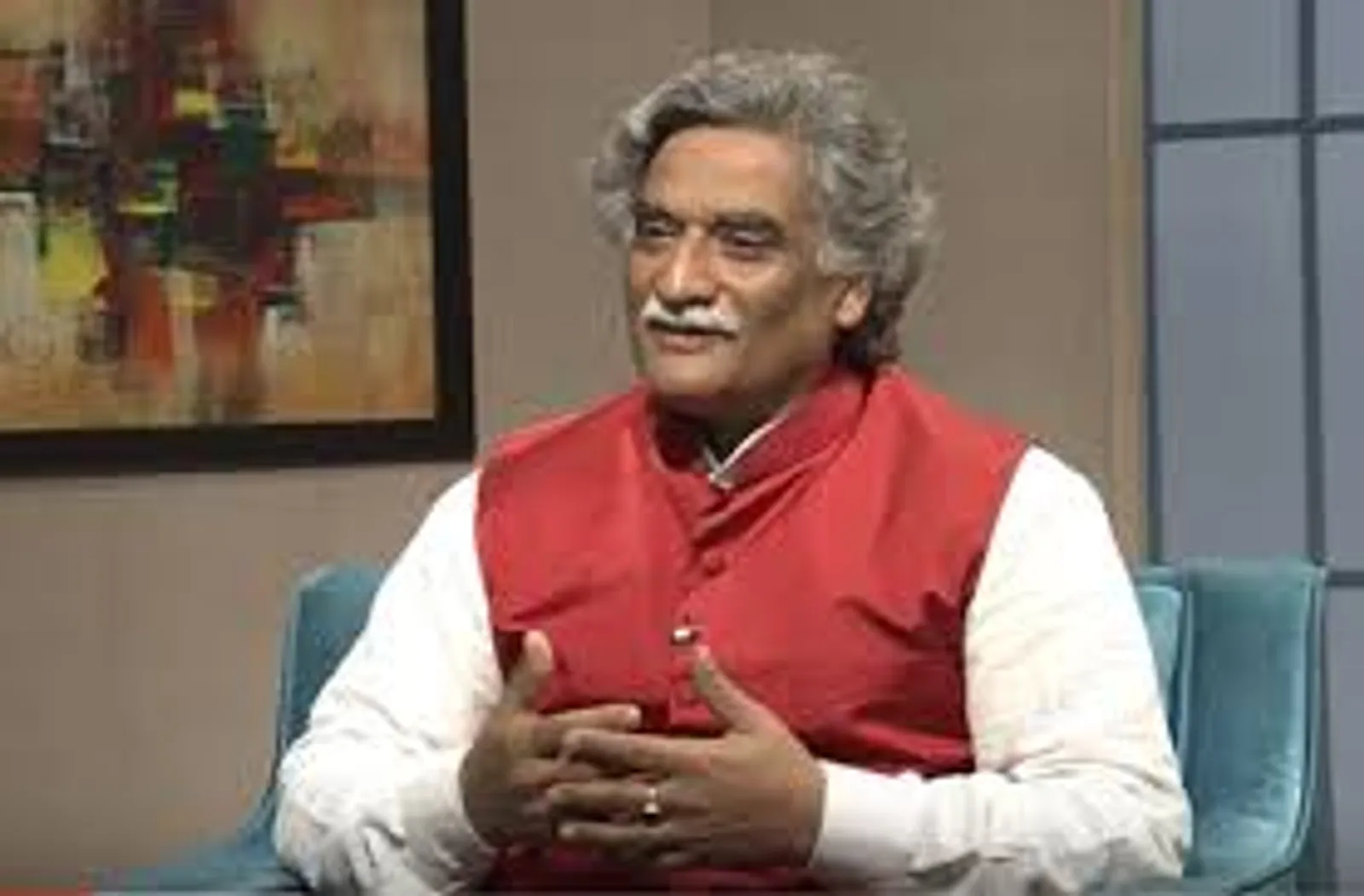
Padmashree Dr. Rajnikant is India's foremost Intellectual Property Rights (IPR) expert specializing in Geographical Indications (GI). For over twenty years, he has dedicated himself to safeguarding traditional crafts, handlooms, and farm produce by helping local cooperative societies, self-help groups, and FPOs register their products under the GI Registry. In recognition of his outstanding contributions to rural revival and heritage preservation, the Government of India honored him with the Padmashree award in 2019.
Why is He Called the 'GI Man of India'?
Dr. Rajnikant is widely credited with transforming the GI registration process into a powerful movement for grassroots economic empowerment:
- Led 250+ Registrations: Since starting his mission in 2007, he has personally guided the filing and advocacy for over 250 GI applications across various states.
- Documentation & Conservation: He has archived thousands of traditional art techniques, preventing counterfeit sales and securing copyright protection for local craft communities.
What is a Geographical Indication (GI)?
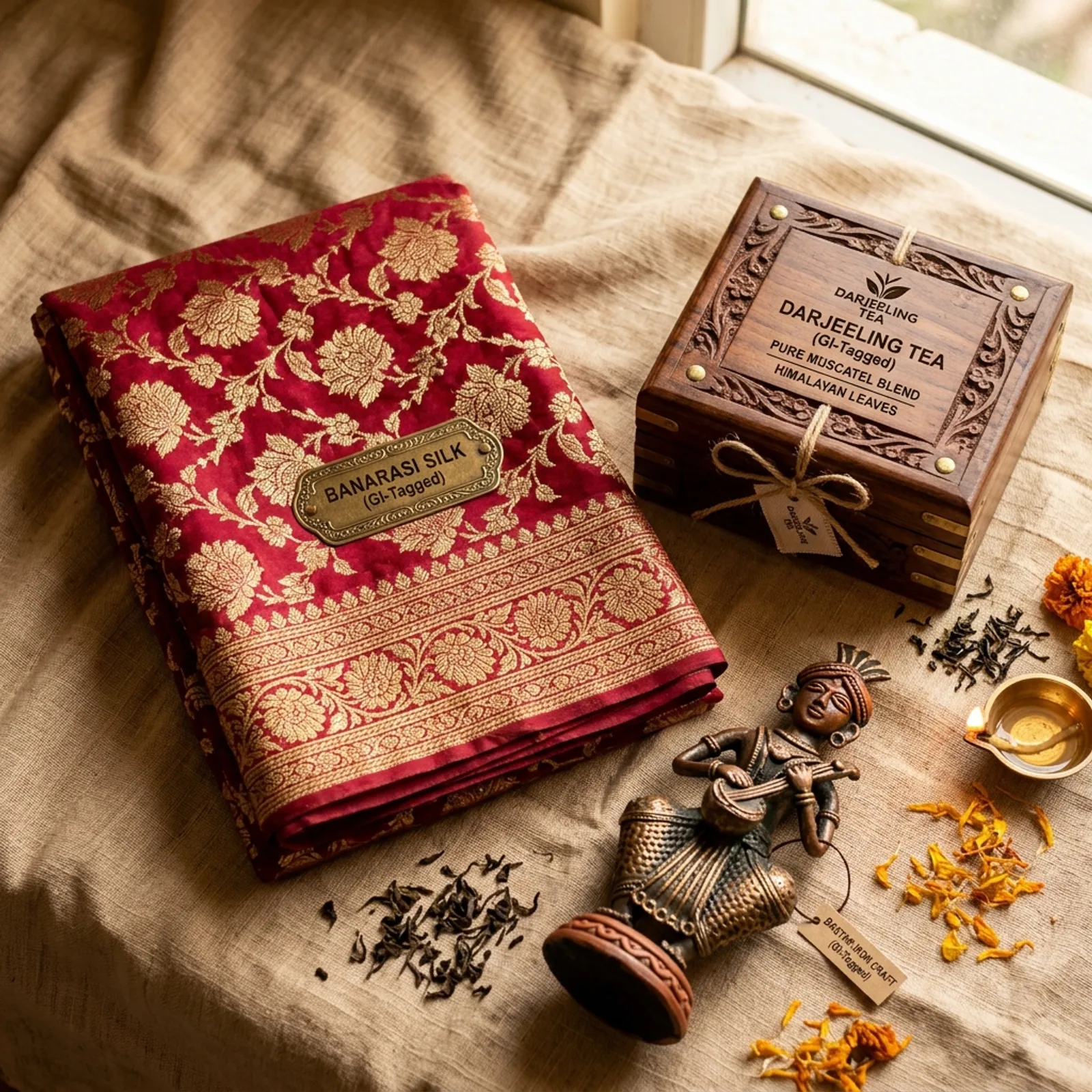
A Geographical Indication (GI) is a type of intellectual property protection given to products that originate from a specific region and possess qualities or a reputation that are due to that geographical location.
- Legislation: Governed by the Geographical Indications of Goods (Registration and Protection) Act, 1999, which came into effect on September 15, 2003.
- First GI Product: Darjeeling Tea was the first product in India to receive the GI tag in 2004.
- Nodal Registry: The registration is handled by the GI Registry based in Chennai, Tamil Nadu.
Impact on Rural Economy and Artisans
For Dr. Rajnikant, GI tags serve as a tool for financial independence and cultural pride for artisans:
- Curbing Counterfeits: Restricts powerloom or synthetic textiles from being fraudulently sold as authentic handloom Banarasi or Maheshwari sarees.
- Premium Market Prices: Global branding helps rural craftspeople sell their goods directly without middlemen, improving profit margins.
- Sustaining Traditional Arts: Motivates the younger generation to learn ancestral craft traditions, curbing rural distress migration.
- Social Empowerment: Focuses heavily on mobilizing landless women into Self-Help Groups (SHGs) to achieve financial autonomy.
Key Exam Facts
| Fact Parameter | Details |
|---|---|
| Famous Alias | GI Man of India |
| Padmashree Awarded | 2019 |
Practice Questions
1Who is known as the 'GI Man of India' and was honored with the Padmashree in 2019?
2Which was the first product in India to receive a Geographical Indication (GI) tag?
3Who is honored as the 'GI Man of India' for helping secure legal protection for hundreds of traditional Indian products?
4What is the official tagline of Geographical Indications (GI) in India?
5Which was the first Indian product to be granted the Geographical Indication (GI Tag) in 2004?
6At the international level, GIs are regulated under which agreement of the WTO?
7With which civilian honor was Dr. Rajnikant awarded by the Government of India for his GI efforts?
8What are the benefits to a product after receiving a GI Tag?
Frequently Asked Questions
Article Sources
2 sources
Article Sources
2 sources