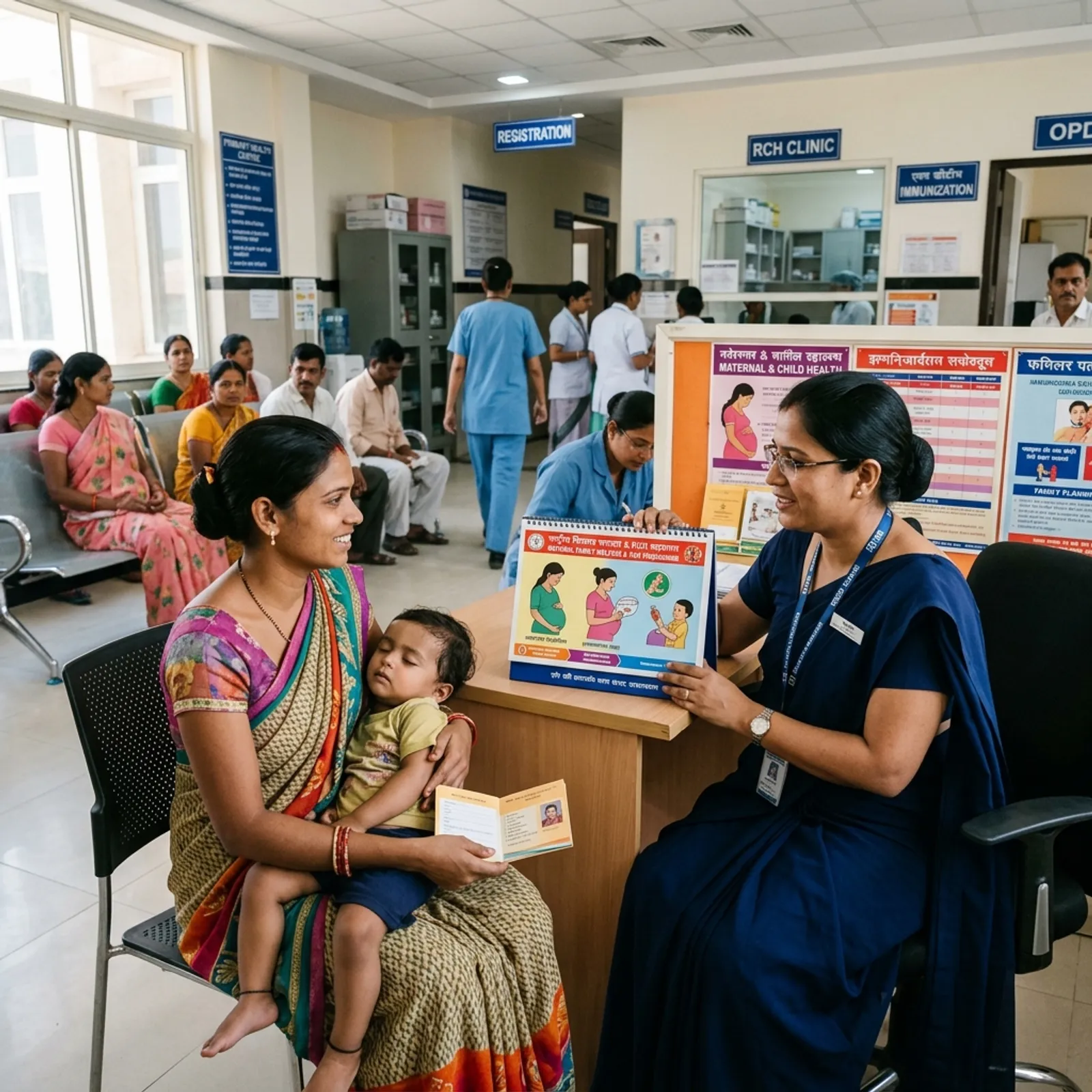
India was the first country in the world to launch an official National Family Planning Programme in 1952. Rapid population growth was identified as a major bottleneck to development in the First Five-Year Plan (1951–56).
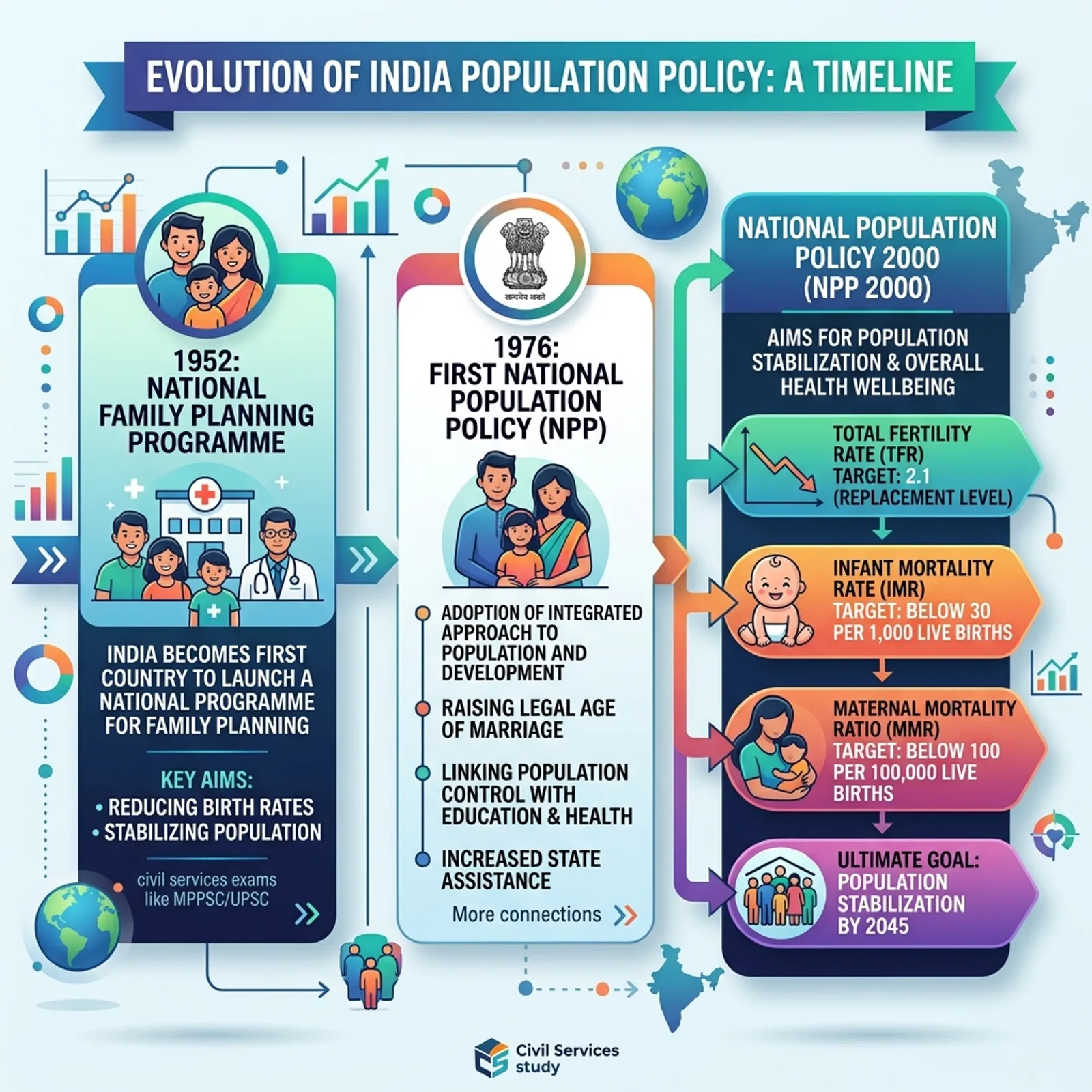
Established in May 2000 under the Prime Minister to review policy implementation and promote inter-sectoral coordination.
| Demographic Indicator / Parameter | Official Metric (Census 2011 / NFHS) |
|---|---|
| Total Population of India (2011) | 1,21,08,54,977 (121.08 Crore) |
| Male Population Share | 51.47% |
| Female Population Share |
Dr. M.S. Swaminathan: Biography, Father of Green Revolution & MSP Report
International Organizations & Headquarters List
India's population policy post-independence reflects a shift towards education, voluntary choices, and Cairo Model principles. Strategic focus on female literacy and healthcare will convert demographic growth into sustainable economic dividend.
1In which year was the national family planning programme launched in India?
2On which expert committee's report was the National Population Policy 2000 drafted?
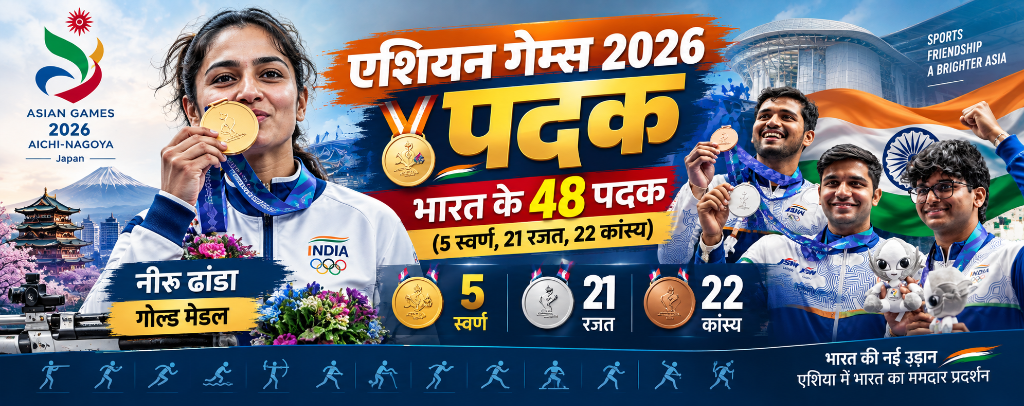
Complete official list of all 48 Indian medal winners (1 to 48) at the 2026 Asian Games in Aichi-Nagoya, Japan. Features Elavenil Valarivan, Rudrankksh Patil, Parth Mane, Himanshu Dhillon, Neeru Dhanda, Mirabai Chanu, Team India Cricket/Kabaddi, and all medalled events with MPPSC notes.

Complete 72nd National Film Awards 2026 Winners List in Hindi & English for 2024 certified films. 'Article 370' wins Best Feature Film, Kartik Aaryan & Mammootty win Best Actor, Yami Gautam wins Best Actress. Includes full winners table, Filmfare Awards comparison, and 8 practice MCQs for MPPSC & UPSC.

IPS officer Dr. Sanjukta Parashar (2006 batch, Assam-Meghalaya cadre) has been appointed as the first woman Inspector General (IG) of CRPF CoBRA (Commando Battalion for Resolute Action). Read her career profile, CoBRA operational role, and key exam notes.
Get daily Current Affairs PDFs directly on your WhatsApp, or join our official Telegram & WhatsApp channels.
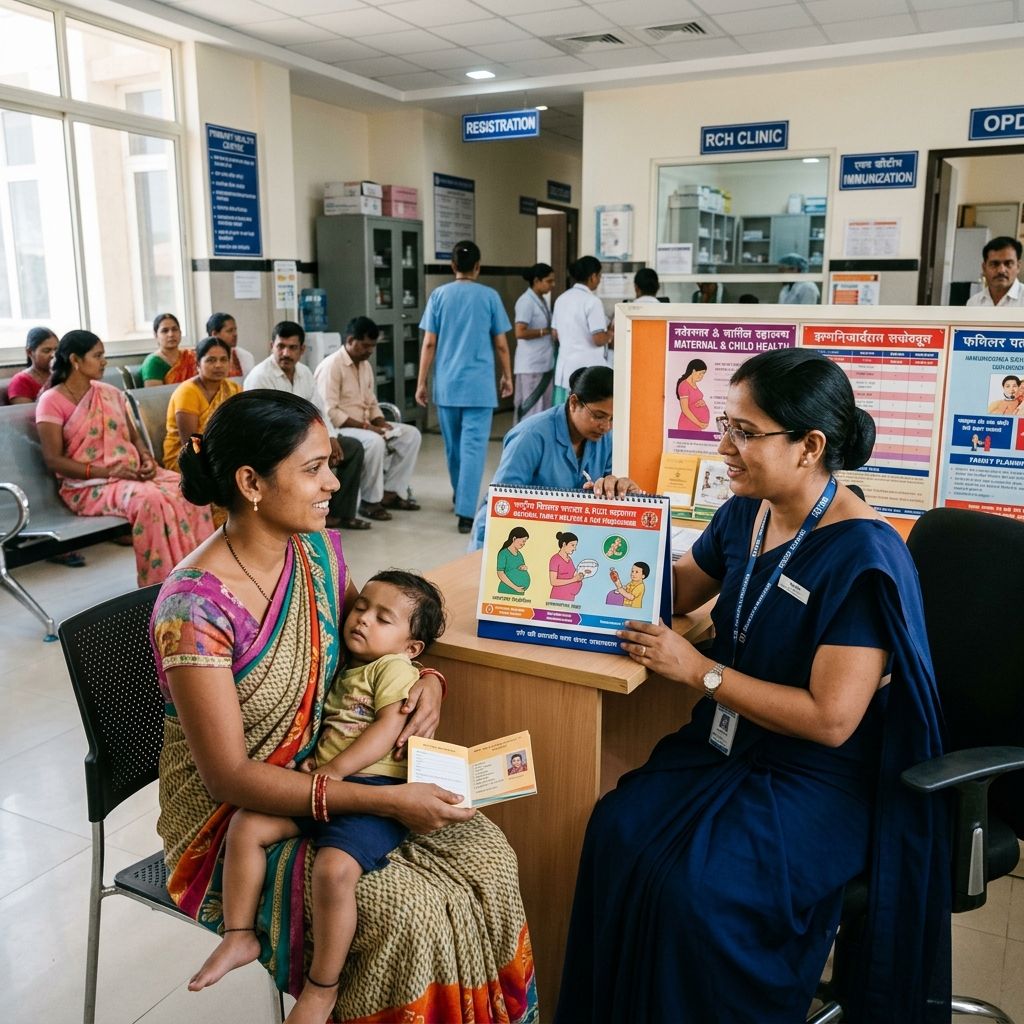
Comprehensive exam notes on Population Policy of India post-independence (1952 Family Planning, 1976 Policy, NPP-2000 Swaminathan Committee), Cairo Model 1996, National Commission on Population, Census 2011 statistics, causes of growth, benefits, drawbacks, NCRWC recommendations & solutions for MPPSC & UPSC.

| 48.53% |
| 0–6 Years Child Share | 13.6% |
| Decadal Population Growth (2001–2011) | 17.7% |
| Annual Population Growth Rate | 1.64% |
| Overall Sex Ratio | 943 Females per 1000 Males |
| Child Sex Ratio (0-6 Years) | 919 Girls per 1000 Boys |
| Total Literacy Rate | 73.0% |
| Male Literacy Rate | 80.9% |
| Female Literacy Rate | 64.6% |
| Population Density (2011) | 382 persons per sq. km (325 in 2001) |
| Rural Population Share | 68.84% |
| Urban Population Share | 31.16% |
| Most Populous State | Uttar Pradesh |
| Least Populous State | Sikkim |