Key Highlights
1. Dr. M.S. Swaminathan: Introduction & Life Journey
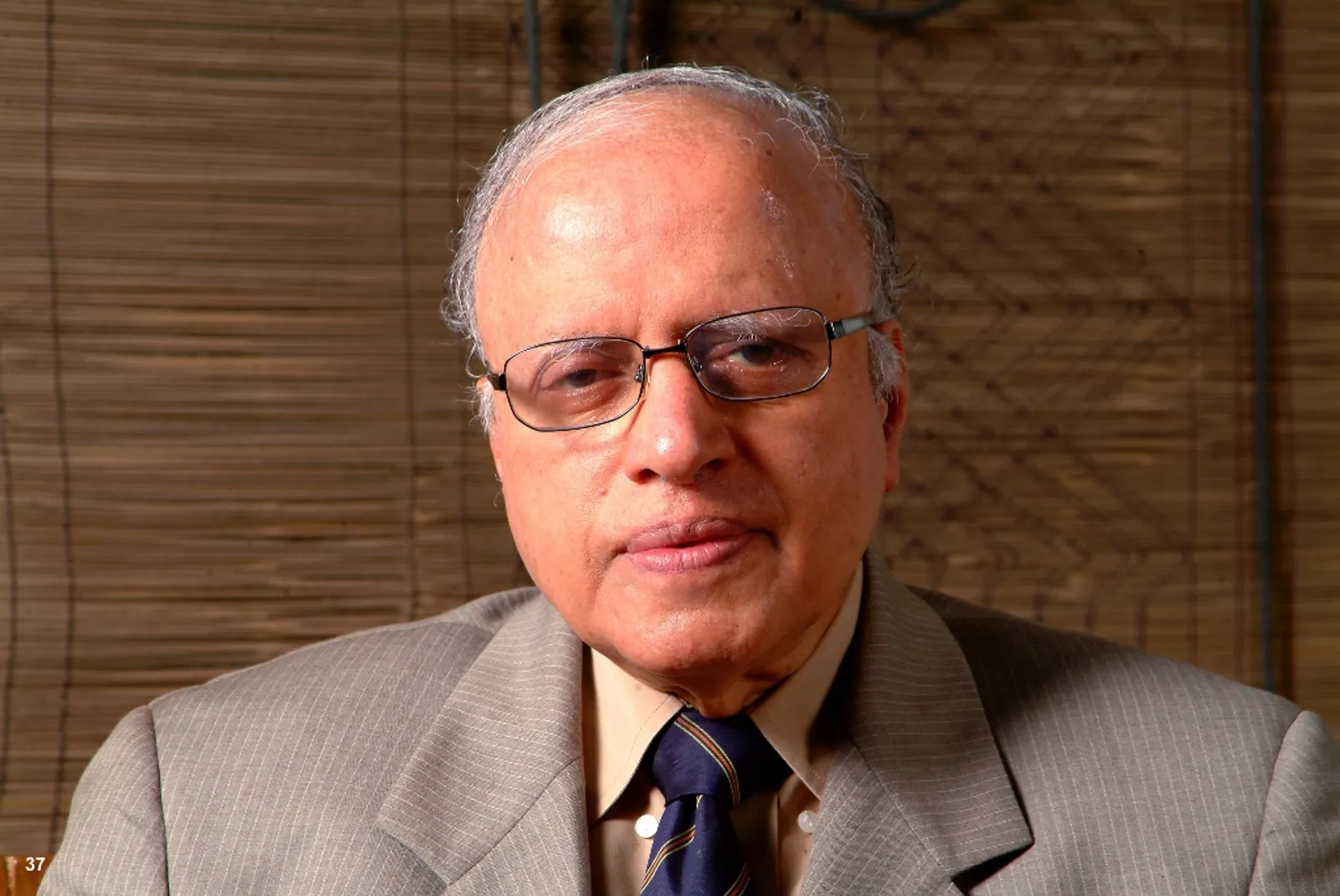
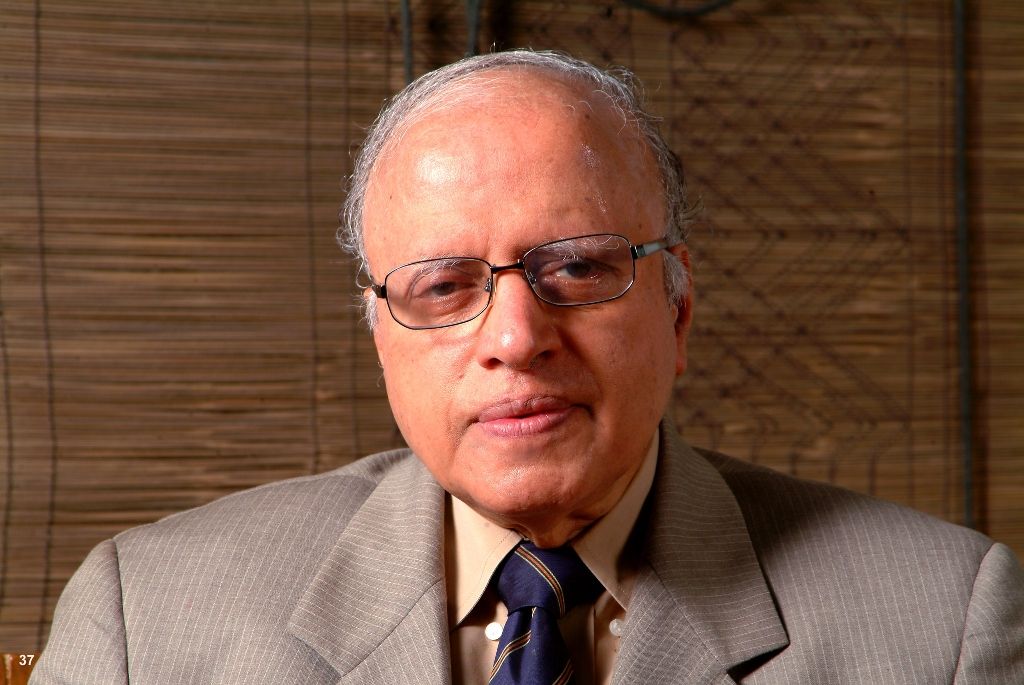
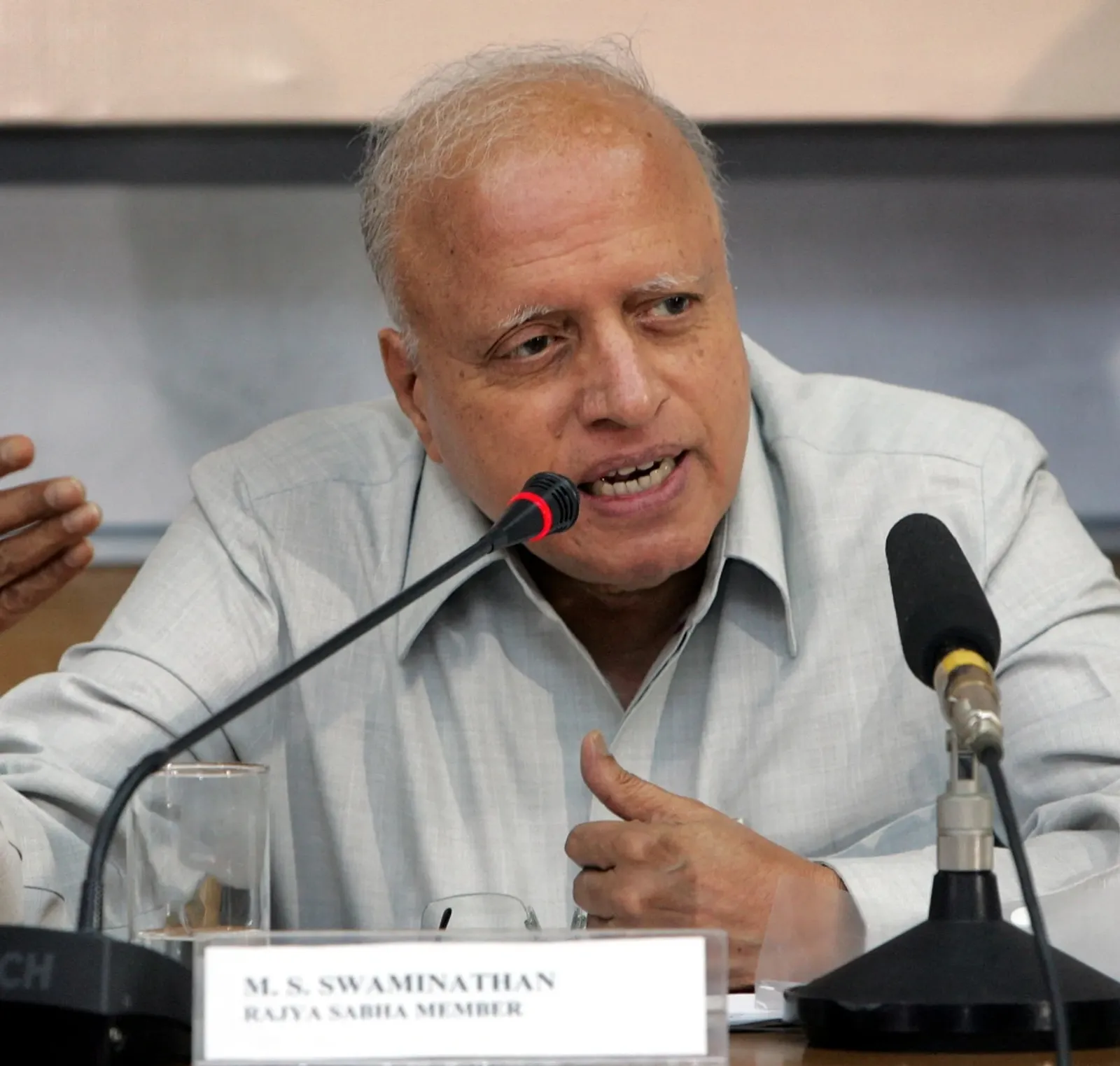
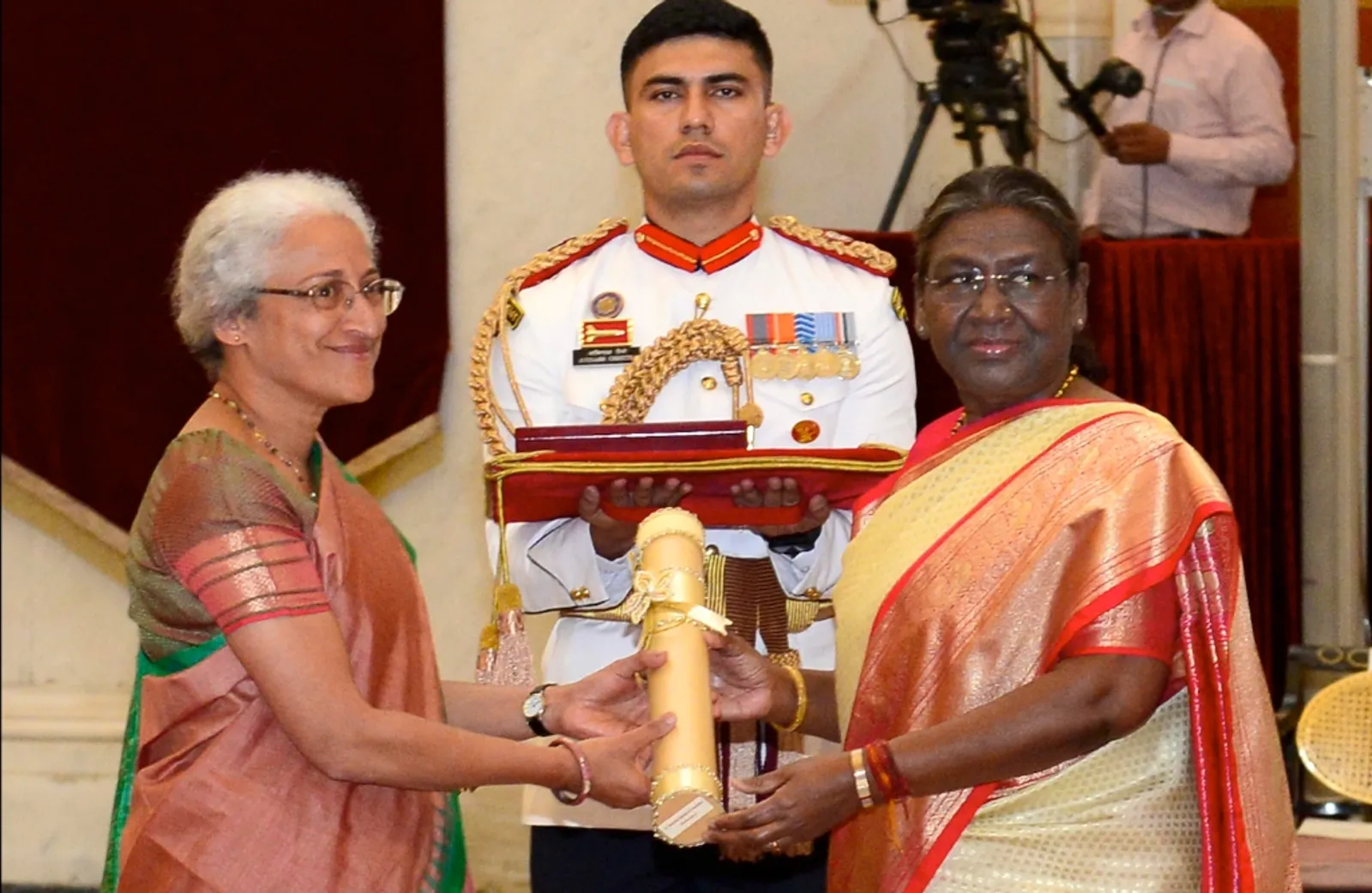
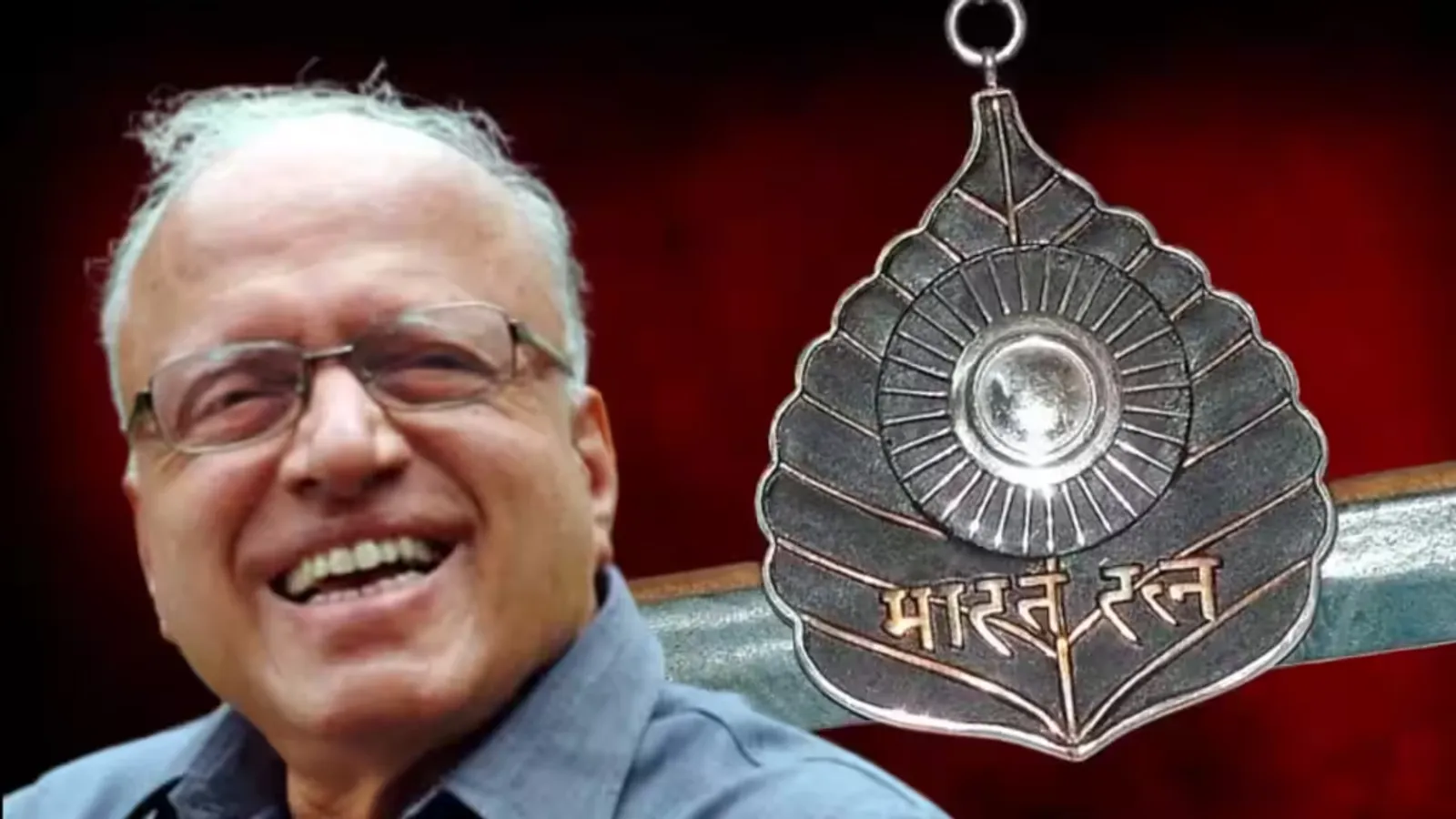
Renowned agricultural scientist and plant geneticist Mankombu Sambasivan (M.S.) Swaminathan, widely revered as the 'Father of the Green Revolution in India', passed away on September 28, 2023, in Chennai at the age of 98. In 2024, the Government of India posthumously conferred upon him India's highest civilian honor, the Bharat Ratna (2024).
- Birth & Inspiration: Born on August 7, 1925, in Kumbakonam, Tamil Nadu, he was deeply influenced by Mahatma Gandhi and the Indian freedom struggle. Though initially planning a career in medicine, the devastating 1942–1943 Bengal Famine inspired him to dedicate his life to agricultural research and ending hunger in India.
- Higher Education: Earned B.Sc. degrees in Zoology (Madras University) and Agriculture (Coimbatore Agricultural College), followed by a Ph.D. in Genetics from Cambridge University (UK) in 1952 and post-doctoral research at the University of Wisconsin (USA).
2. Key Institutional Roles & Administrative Leadership
| Year / Timeline | Organization / Position | Major Contributions & Legacy |
|---|---|---|
| 1954 | Indian Agricultural Research Institute (IARI) | Joined as a scientist and spearheaded crop genetics research. |
| 1972–1979 | Indian Council of Agricultural Research (ICAR) | Served as Director General of ICAR, expanding national agricultural research. |
| 1982–1988 | International Rice Research Institute (IRRI) | First Indian Director General of IRRI (Philippines), expanding high-yielding rice in Asia. |
| 1988 | MSSRF Establishment | Founded the M.S. Swaminathan Research Foundation in Chennai for sustainable rural development. |
3. Historical Role in Green Revolution: Kalyan Sona & Sonalika Wheat
During the 1960s, India faced severe food shortages and depended on US PL-480 grain imports. Collaborating with Nobel laureate Dr. Norman Borlaug, Dr. Swaminathan adapted Mexican semi-dwarf wheat varieties to Indian soil and agro-climatic conditions.
- Kalyan Sona & Sonalika Wheat: Since Mexican wheat was reddish in color, he cross-bred varieties to produce golden-colored high-yielding wheat varieties — Kalyan Sona and Sonalika, perfectly suited for Indian chapati making.
- Food Self-Sufficiency: Within 4 years (1967–1971), India transformed from a famine-prone nation into a self-sufficient grain surplus power, with Punjab and Haryana becoming India's breadbasket.
- 'Farmer First' Philosophy: Believed that "fields are laboratories and farmers are the true scientists." He urged agricultural scientists to step out of labs directly into farmers' fields.
4. Swaminathan Commission (NCF) & 50% MSP Recommendation
- 50% MSP Recommendation (C2 + 50%): Under NCF (2004–2006), he recommended fixing Minimum Support Price (MSP) at at least 50% above weighted average cost of production (C2), which remains the central demand of farmer unions nationwide.
- PPV&FR Act 2001: Played a foundational role in drafting the Protection of Plant Varieties and Farmers' Rights Act, 2001, protecting farmers' rights to save and exchange seeds.
5. Drafting the National Population Policy 2000 (NPP-2000)
Dr. Swaminathan chaired the 1994 Group of Experts on Population Policy, whose report laid the groundwork for India's National Population Policy 2000 (NPP-2000), targeting TFR 2.1 and population stabilization by 2045.
Read Complete Notes on Population Policy of India (NPP-2000) & Swaminathan Committee
6. 'Evergreen Revolution' & Mangrove Conservation
- Evergreen Revolution: Coined in the 1990s to advocate for sustainable agriculture — increasing productivity in perpetuity without ecological harm.
- Mangrove Conservation: Founded the International Society for Mangrove Ecosystems (ISME) in 1990 and pioneered 'fishbone canal' mangrove restoration in Tamil Nadu & Odisha.
7. Awards & International Honors
8. Related Study Material & Interlinked Notes
Population Policy of India (NPP-2000), Census 2011 & Swaminathan Committee Notes
International Organizations & Headquarters List
Disaster Management (Amendment) Act 2025 Notes
9. Conclusion
Dr. M.S. Swaminathan's legacy encompasses food security, agricultural genetics, farmer welfare (50% MSP), ecological conservation (Evergreen Revolution), and population policy (NPP-2000). Understanding his contributions is vital for MPPSC and UPSC Mains GS Paper-3 & Prelims.
Practice Questions
1In which year was Dr. M.S. Swaminathan awarded the Bharat Ratna?
2Who was the winner of the first World Food Prize in 1987?
3According to the Swaminathan Commission, MSP should be how much higher than production cost?
4Which major wheat varieties were developed for India by Dr. Swaminathan from Mexican semi-dwarf strains?
5Who coined the concept of the 'Evergreen Revolution' to enhance agricultural productivity sustainably?