Why is it Important in Exams?
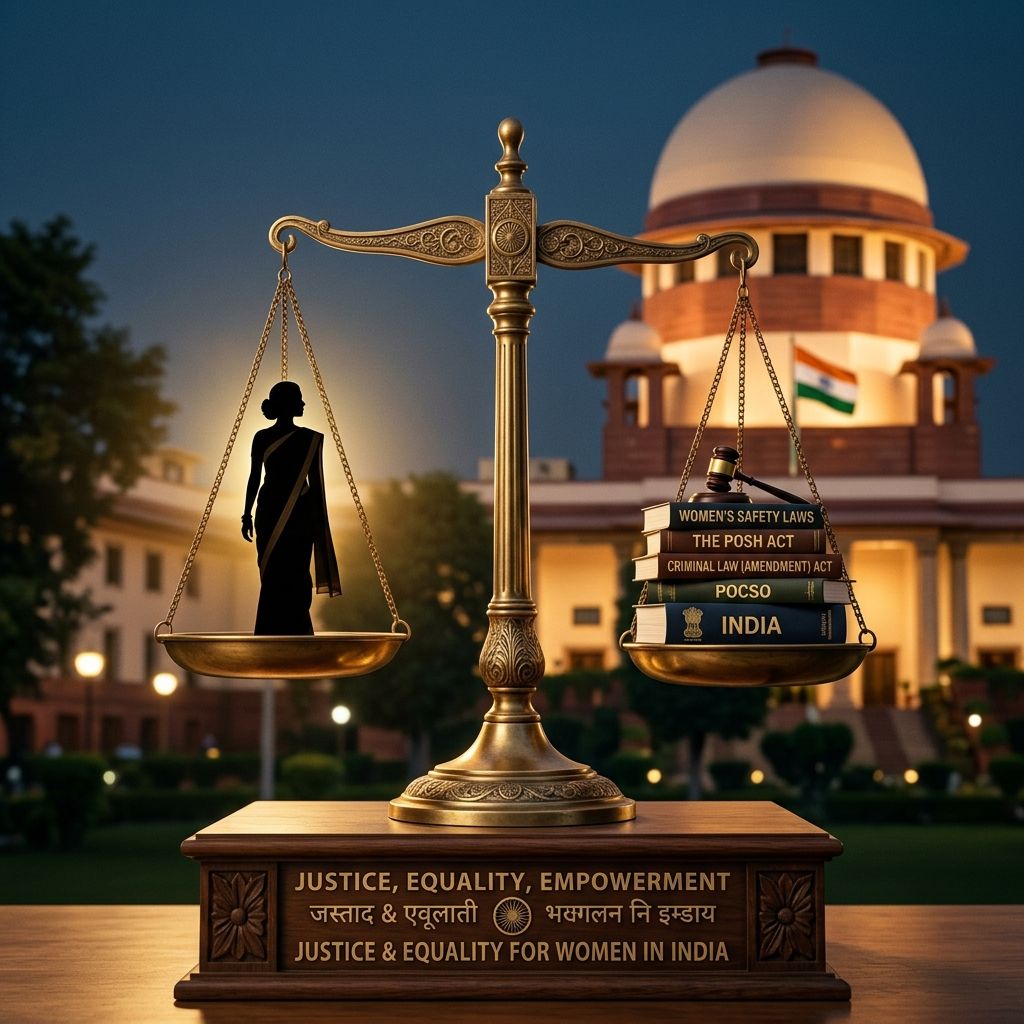
To ensure the safety, dignity, and empowerment of women, the Government of India has enacted several landmark legislations over time. These acts offer robust legal protection to women against domestic violence, dowry harassment, sexual harassment at the workplace, indecent representation, sexual offenses, and marital injustices.
For competitive examinations like UPSC, MPPSC, SSC, and other state exams, understanding the enactment year, core objectives, key provisions, and landmark judicial precedents (such as the Vishaka Case, 1997) associated with these laws is highly essential.
| Act / Legislation | Year & Core Description |
|---|---|
| Dowry Prohibition Act | 1961 – Prohibits giving or taking dowry |
| Indecent Representation of Women (Prohibition) Act | 1986 – Bans indecent depiction of women |
| Protection of Women from Domestic Violence Act |
Dowry Prohibition (1961) & Indecent Representation of Women Acts (1986)
1. Dowry Prohibition Act, 1961
- Main Objective: To eliminate the practice of dowry and prohibit the giving, taking, or demanding of dowry in marriages.
- Punishable Offense: Demanding, giving, or receiving dowry directly or indirectly is a severe criminal offense.
- Demanding Dowry: Seeking dowry before, during, or after marriage attracts strict imprisonment and financial penalties.
- : Unauthorized transactions of assets under the guise of wedding gifts are prohibited.
Protection of Women from Domestic Violence Act, 2005
The Protection of Women from Domestic Violence Act, 2005 (PWDVA) is a path-breaking civil legislation designed to shield women from any form of abuse occurring within a shared household.
Forms of Domestic Violence Covered
- Physical Violence: Act of beating, pushing, causing bodily pain, or physical harm.
- Mental & Emotional Abuse: Verbal insults, derogatory remarks, questioning character, and threats of harm.
- Economic Abuse: Depriving the victim of financial resources, basic necessities, or forcing control over her income/Stree-dhan.
- Sexual Abuse: Any forced sexual contact or behavior that violates the modesty and dignity of a woman.
Sexual Harassment of Women at Workplace (POSH) Act, 2013
Popularly known as the POSH Act, 2013, this legislation is dedicated to ensuring a safe, equitable, and dignified work environment for women across all sectors, formal and informal.
- Full Form: POSH stands for Prevention of Sexual Harassment.
- Judicial Origin: The POSH Act formalizes the Vishaka Guidelines laid down by the Supreme Court of India in the landmark case of Vishaka vs. State of Rajasthan (1997).
- Internal Committee (IC): Mandatory for every workplace employing 10 or more people. The committee must be headed by a senior woman employee.
- Local Committee: Set up at the district level to address complaints from workplaces with or when the complaint is against the employer directly.
Muslim Women (Protection of Rights on Marriage) Act, 2019
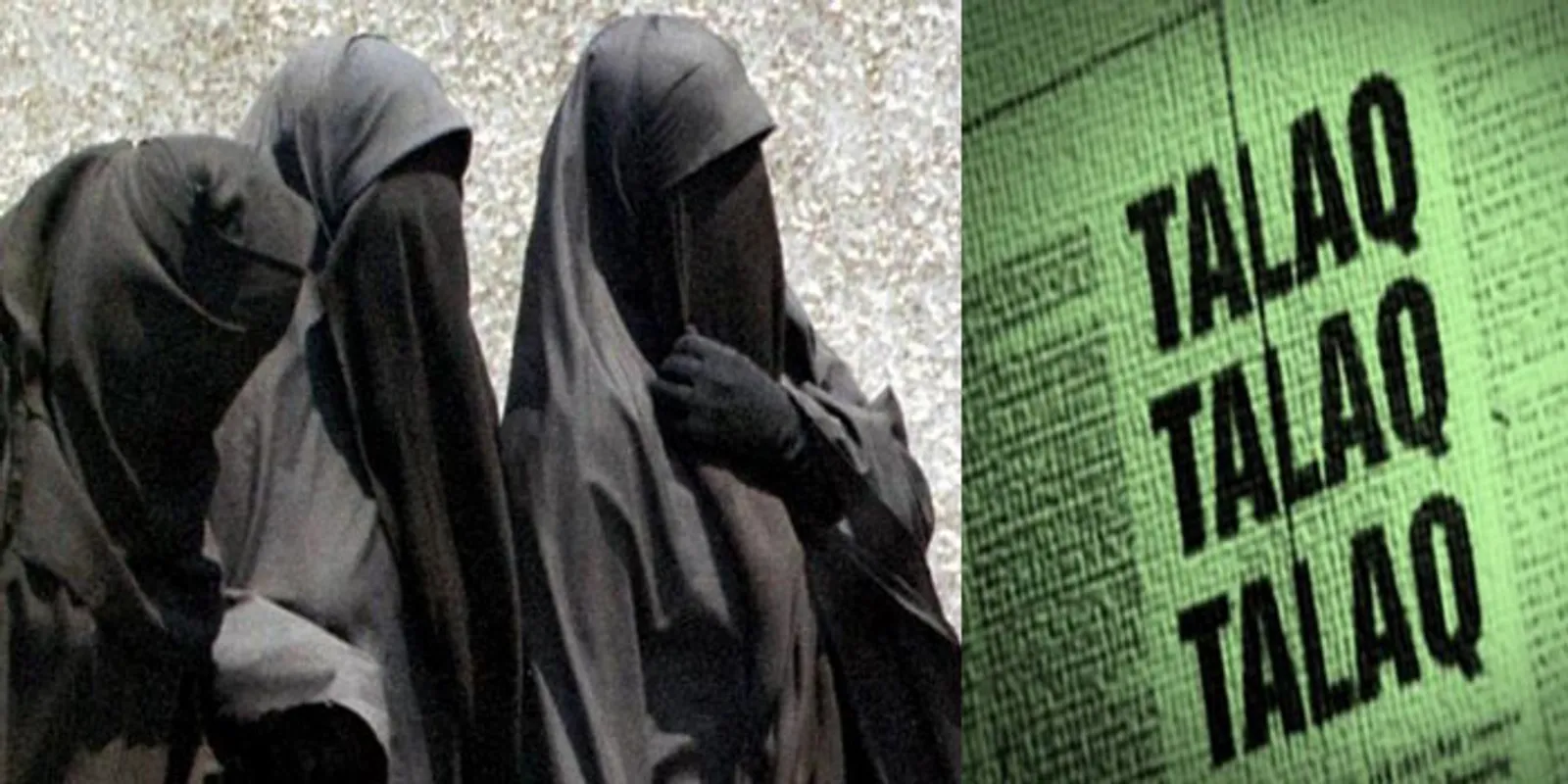
- Main Objective: To ban the practice of instant Triple Talaq (Talaq-e-Biddat).
- Triple Talaq: Declared illegal, null, and void in any form—whether spoken, written, or transmitted electronically.
- Punishment: Prescribes up to three years of imprisonment and a fine for the husband pronouncing instant triple talaq.
- Maintenance: Entitles the aggrieved wife to receive subsistence allowance for herself and her dependent children.
- Custody: Grants the mother the custody of her minor children.
Protection of Children from Sexual Offences (POCSO) Amendment Act, 2019
The POCSO Act is a gender-neutral legislation crucial for protecting children from sexual abuse, sexual harassment, and child pornography.
- Full Form: POCSO stands for Protection of Children from Sexual Offences.
- Original Act: Enacted in the year 2012.
- Amendment: Revised in 2019 to introduce more stringent penalties.
- Core Objective: To protect children under 18 years of age from sexual offenses under a child-friendly legal framework.
Exam Perspective & Key Highlights
Crucial Timelines to Remember
- 1961 → Dowry Prohibition Act
- 1986 → Indecent Representation of Women (Prohibition) Act
- 2005 → Protection of Women from Domestic Violence Act
- 2013 → POSH Act (Workplace Sexual Harassment)
- 2019 →
Practice Questions
1When did the Dowry Prohibition Act come into force?
2The POSH Act is related to which of the following?
3For whose protection was the POCSO Act enacted?
4In which year did the Protection of Women from Domestic Violence Act come into force?
5Which act declared instant triple talaq a punishable offense?
6The Vishaka vs. State of Rajasthan (1997) case is related to:
7What is the maximum punishment under the POCSO Amendment Act, 2019 for aggravated penetrative sexual assault?
8In which year was the Equal Remuneration Act enacted?
Frequently Asked Questions
Article Sources
3 sources
Article Sources
3 sources