Why in News?
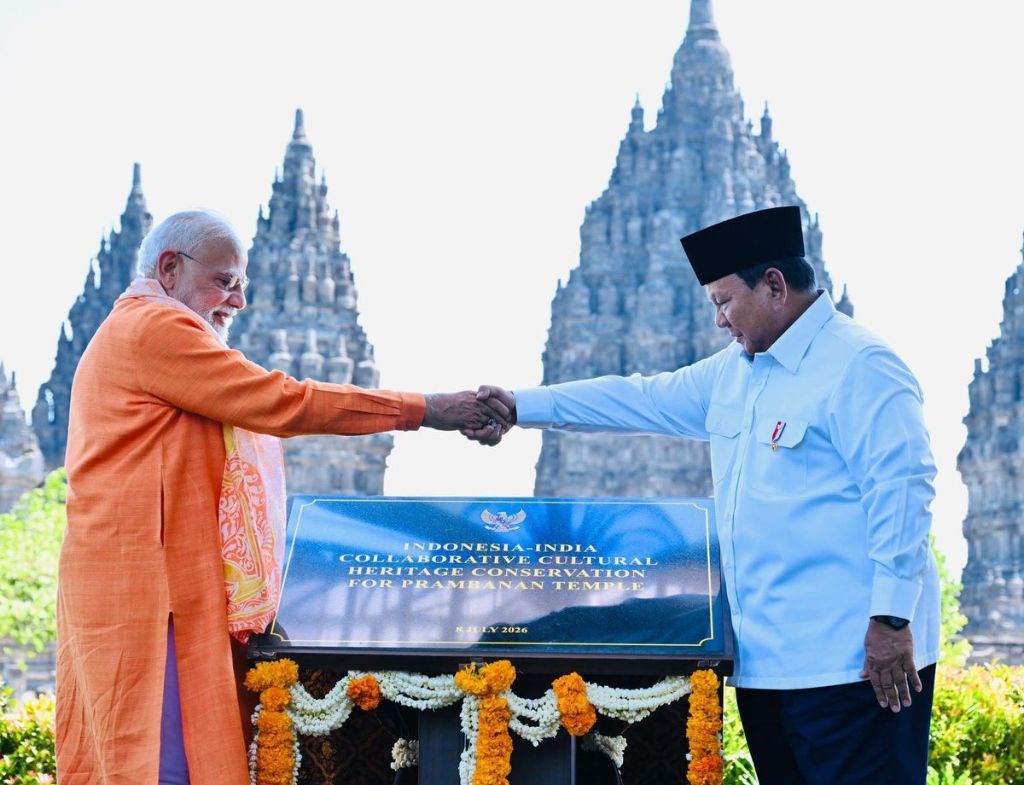
During Prime Minister Narendra Modi's official visit to Indonesia in July 2026, India and Indonesia signed a bilateral agreement to launch a Joint Conservation Project for the restoration and preservation of the historic Prambanan Temple. This project is a crucial milestone in India's Act East Policy, representing a deeper push into cultural diplomacy and heritage conservation collaboration with ASEAN countries.
What is Prambanan Temple?
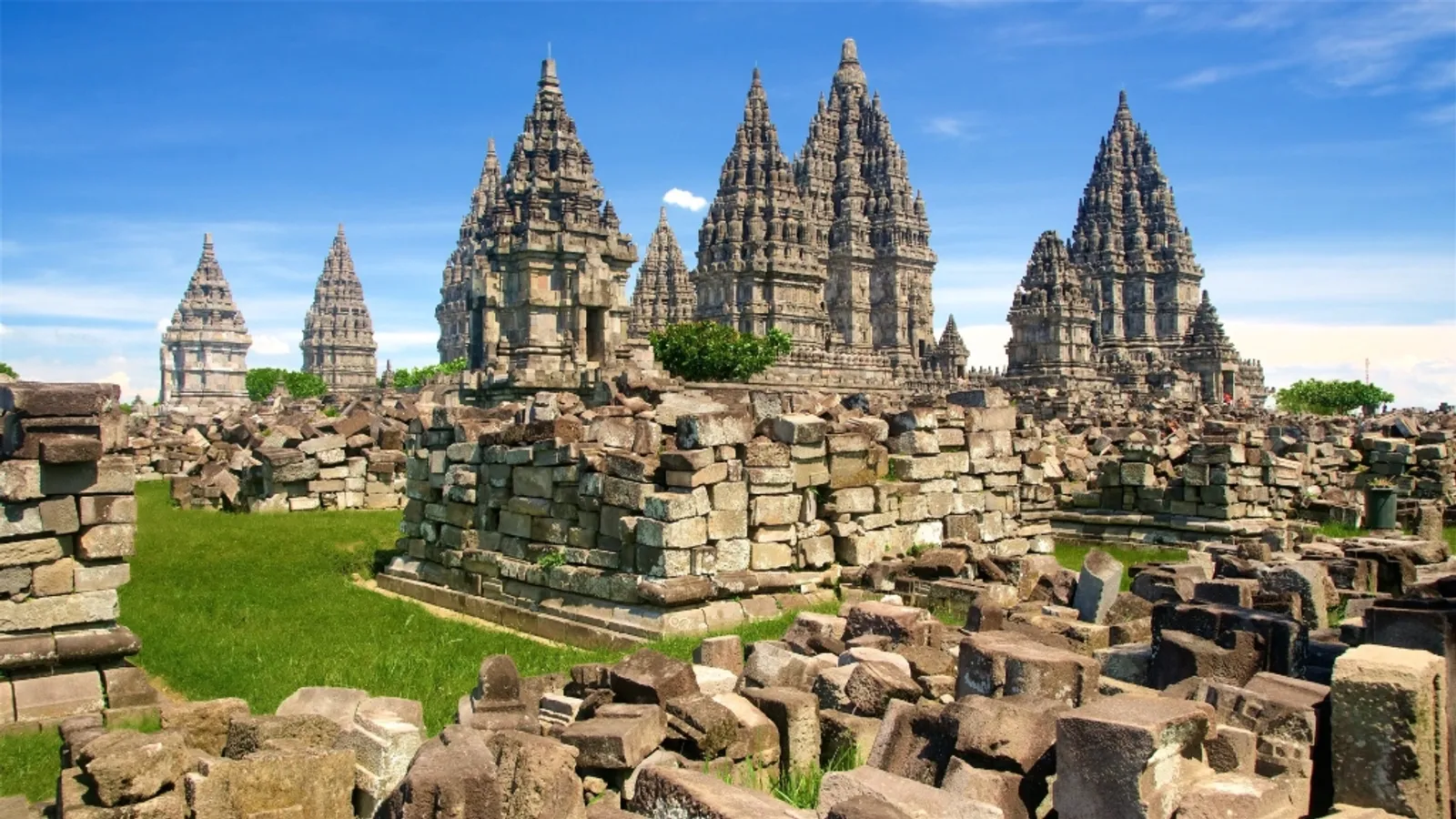
Prambanan is the largest Hindu temple compound in Indonesia and a designated UNESCO World Heritage Site. Located in Central Java, it is considered the second-largest Hindu temple complex in Southeast Asia, surpassed only by the magnificent Angkor Wat in Cambodia.
Key Facts & History
- Location: Yogyakarta, Central Java, Indonesia (approx. 17 km northeast of the city center)
- Construction: 9th Century AD (Initiated by King Rakai Pikatan of the Hindu Sanjaya/Mataram Dynasty)
- Layout & Temples: Spread over 40 hectares, the complex historically contained up to 508 structures (including 240 primary temple structures).
- Main Deities (Trimurti): Dedicated to the Trimurti—Shiva, Vishnu, and Brahma. The Shiva temple is the grandest and tallest in the center, towering at approximately 47 meters.
- Vahana Temples: Three smaller shrines stand directly in front of the Trimurti temples, dedicated to their respective animal mounts: Nandi (Shiva's bull), Garuda (Vishnu's eagle), and Hamsa (Brahma's swan).
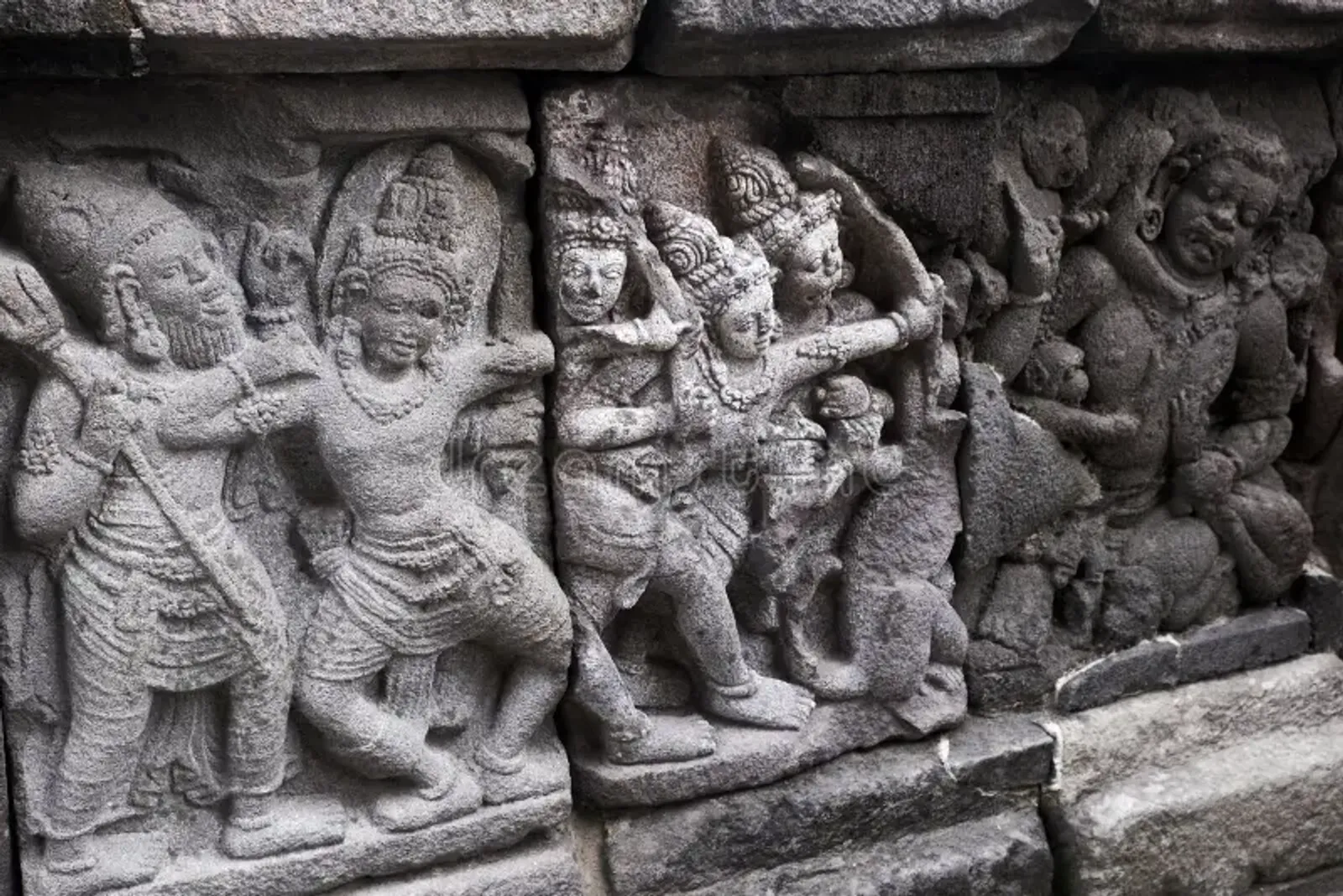
- Architectural Reliefs: Bas-reliefs adorn the inner walls, illustrating scenes from the Hindu epics Ramayana and Bhagavata Purana. The structures show distinct architectural influence from South Indian (Pallava) temple designs, and house a famous Mahishasuramardini (Durga) statue.
India-Indonesia Cooperation & ASI's Role
The joint conservation project is aimed at preserving shared cultural heritage, bolstering bilateral diplomatic ties under India's Act East Policy, and leveraging the technical expertise of the Archaeological Survey of India (ASI).
- ASI's Other Major International Conservation Projects: ASI has a long track record of carrying out conservation and restoration works on major Southeast Asian cultural monuments:
- Angkor Wat (Cambodia)
- Ta Prohm Temple (Cambodia)
- Vat Phou Temple (Laos)
- My Son Sanctuary (Vietnam)
Practice Questions
1In which country is the Prambanan Temple located?
2Which group of deities is the Prambanan Temple dedicated to?
3When was the Prambanan Temple designated as a UNESCO World Heritage Site?
4Which dynasty's ruler constructed the Prambanan Temple?
5Which institution from India will play the leading role in the conservation of Prambanan Temple?
6Which famous active volcano is located near the Prambanan Temple?
7How many temples are there in the Prambanan Temple complex?
8Consider the following statements: 1. Prambanan is the largest Hindu temple complex in Indonesia. 2. India and Indonesia have decided to launch a joint project for its conservation. Choose the correct option:
Frequently Asked Questions
Article Sources
3 sources
Article Sources
3 sources