Key Highlights
1. Historical Evolution of Population Policy in India Post-Independence (1952 to 2000)
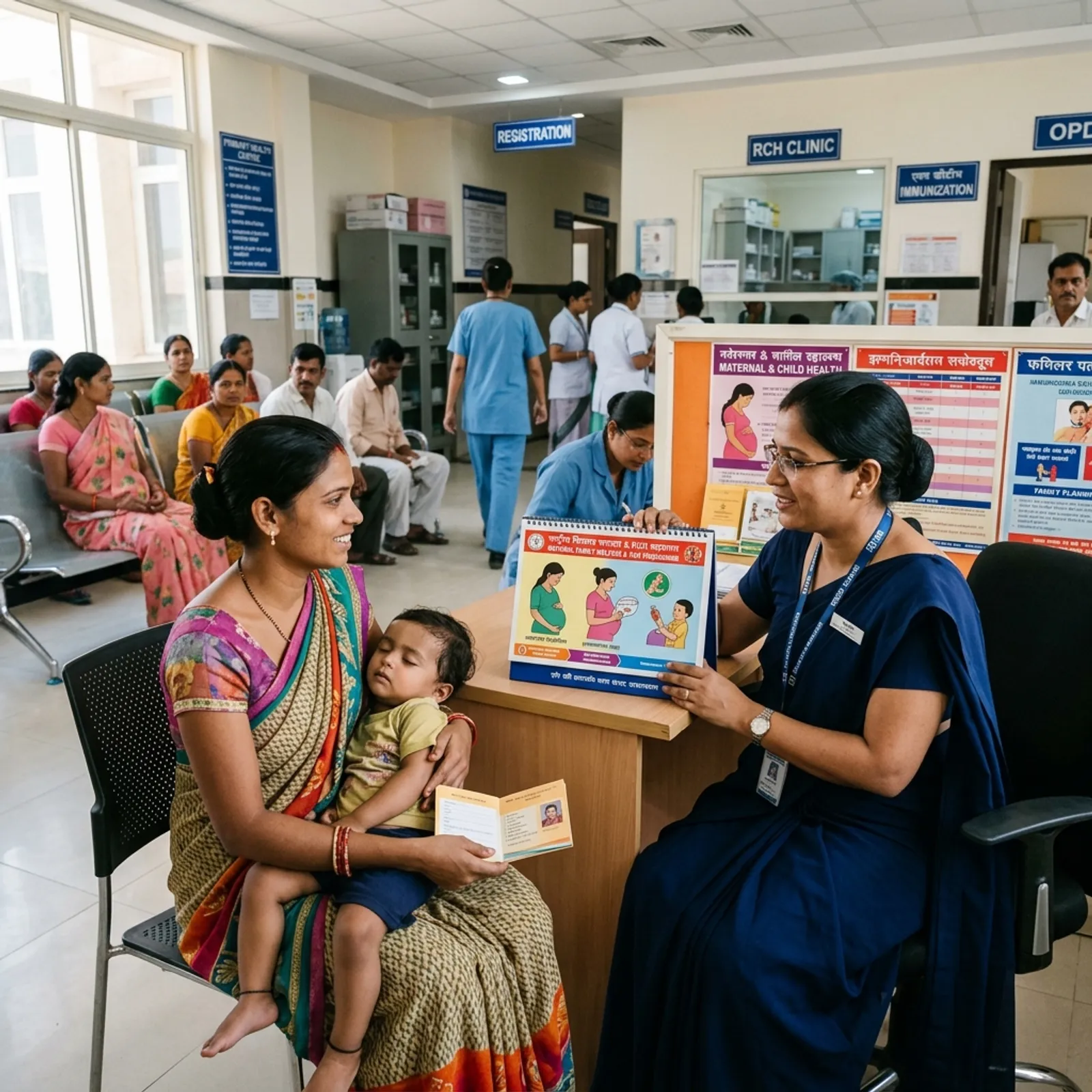
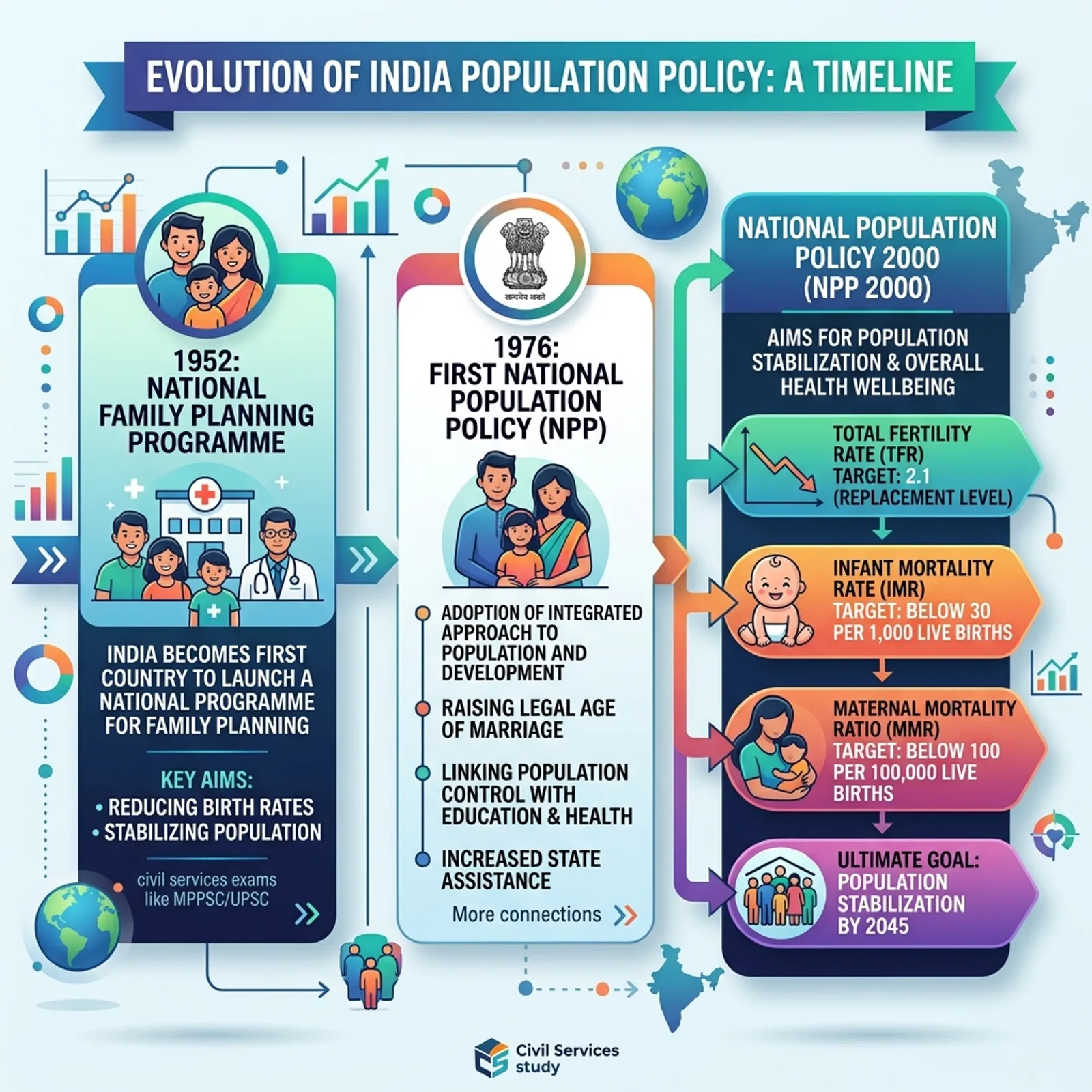
India was the first country in the world to launch an official National Family Planning Programme in 1952. Rapid population growth was identified as a major bottleneck to development in the First Five-Year Plan (1951–56).
- 1960 Expert Group: First formally recommended formulating a dedicated population policy.
- First National Population Policy (1976): Raised minimum marriage age to 18 for females and 21 for males.
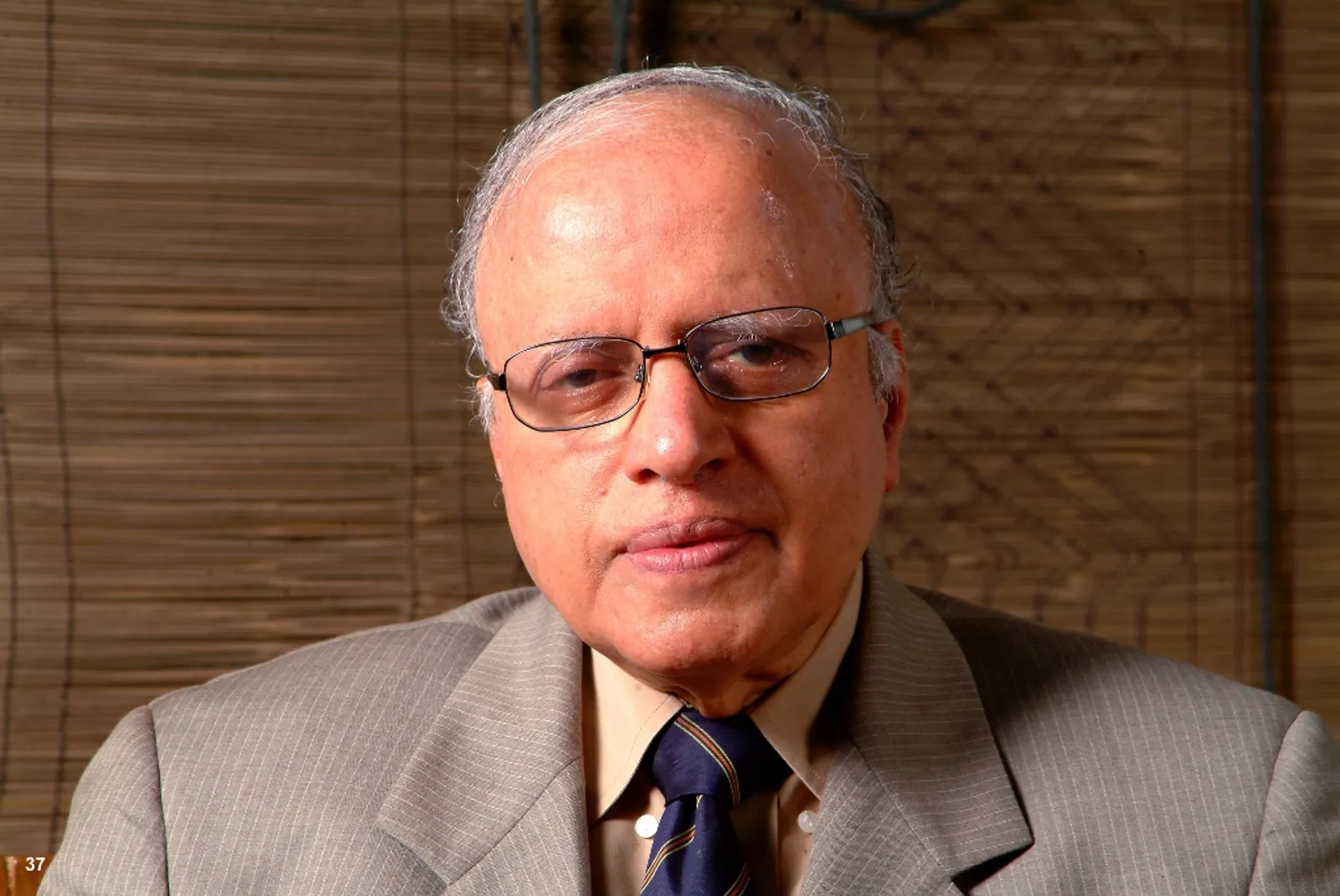
- National Population Policy 2000 (NPP-2000): Formulated under the chairmanship of 👉 Dr. M.S. Swaminathan (Biography & Green Revolution Notes), targeting TFR 2.1 and population stabilization by 2045.
- Cairo Model (1996): Focuses on voluntary family planning through education rather than forced coercion.
2. National Commission on Population & Stabilization Fund
Established in May 2000 under the Prime Minister to review policy implementation and promote inter-sectoral coordination.
3. Census 2011 Key Demographic Facts
| Demographic Indicator / Parameter | Official Metric (Census 2011 / NFHS) |
|---|---|
| Total Population of India (2011) | 1,21,08,54,977 (121.08 Crore) |
| Male Population Share | 51.47% |
| Female Population Share | 48.53% |
| 0–6 Years Child Share | 13.6% |
| Decadal Population Growth (2001–2011) | 17.7% |
| Annual Population Growth Rate |
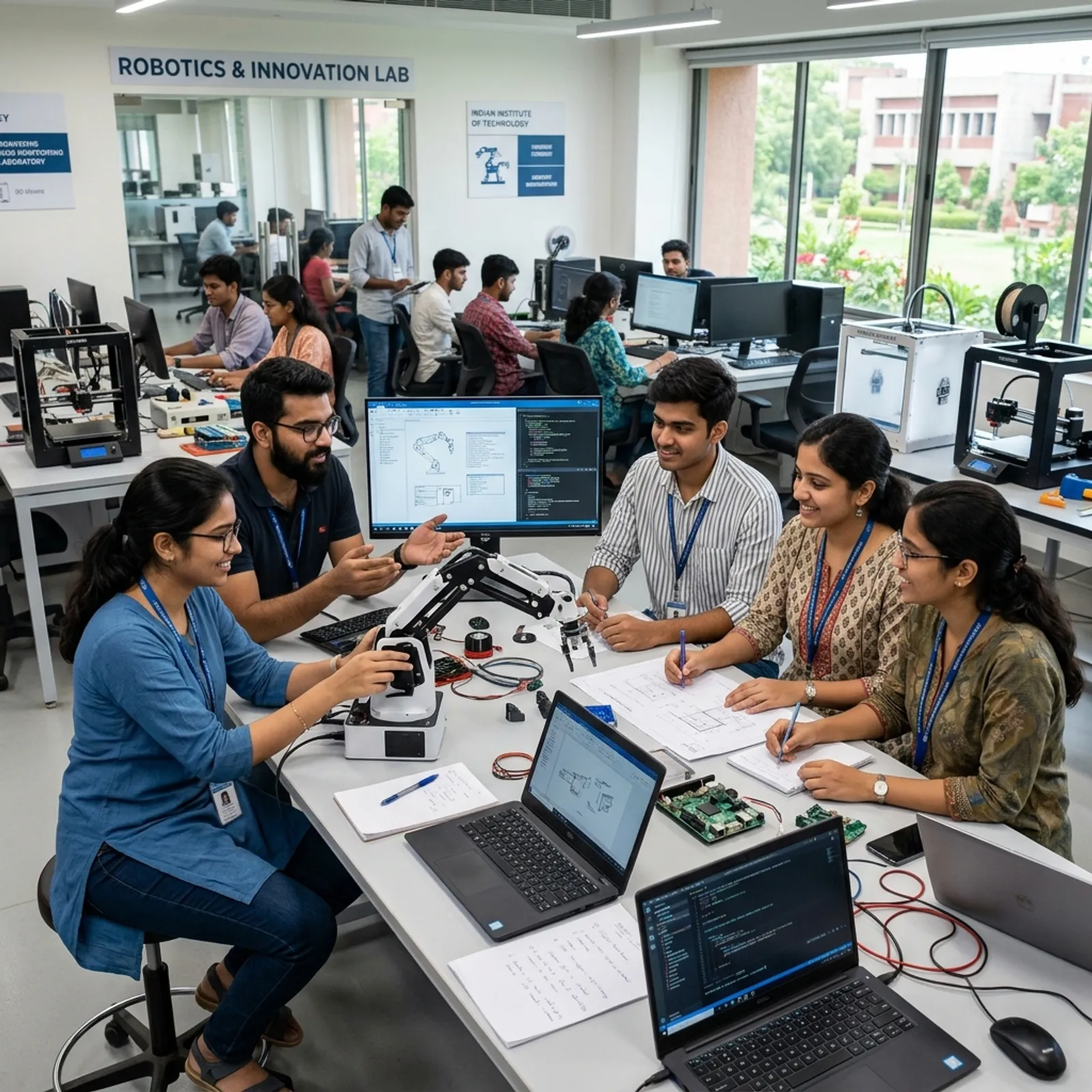
4. Demographic Dividend & Youth Development
5. Related Study Material & Interlinked Notes
👉 Dr. M.S. Swaminathan: Biography, Father of Green Revolution & MSP Report
👉 International Organizations & Headquarters List
6. Conclusion
India's population policy post-independence reflects a shift towards education, voluntary choices, and Cairo Model principles. Strategic focus on female literacy and healthcare will convert demographic growth into sustainable economic dividend.
Practice Questions
1In which year was the national family planning programme launched in India?
2On which expert committee's report was the National Population Policy 2000 drafted?
Frequently Asked Questions
Article Sources
3 sources
Article Sources
3 sources