

Why in News?
The Civil Nuclear Cooperation agreement between India and Australia has strengthened the pathways for commercial uranium imports to India. This deal is extremely significant for achieving India's target of 100 GW nuclear energy capacity by 2047, bolstering energy security, promoting clean carbon-free energy, and enhancing India-Australia bilateral strategic relations.
What is Uranium?
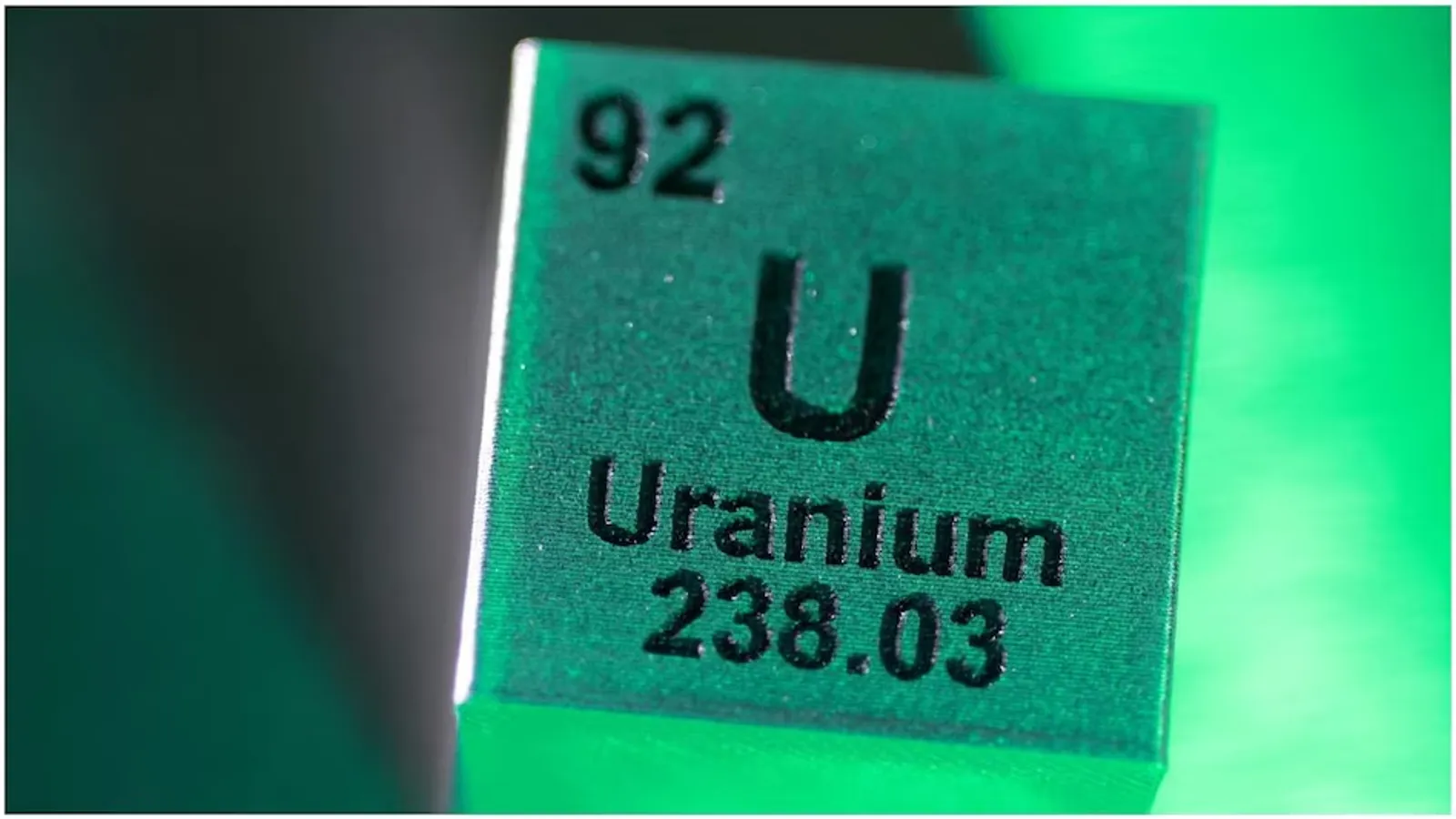
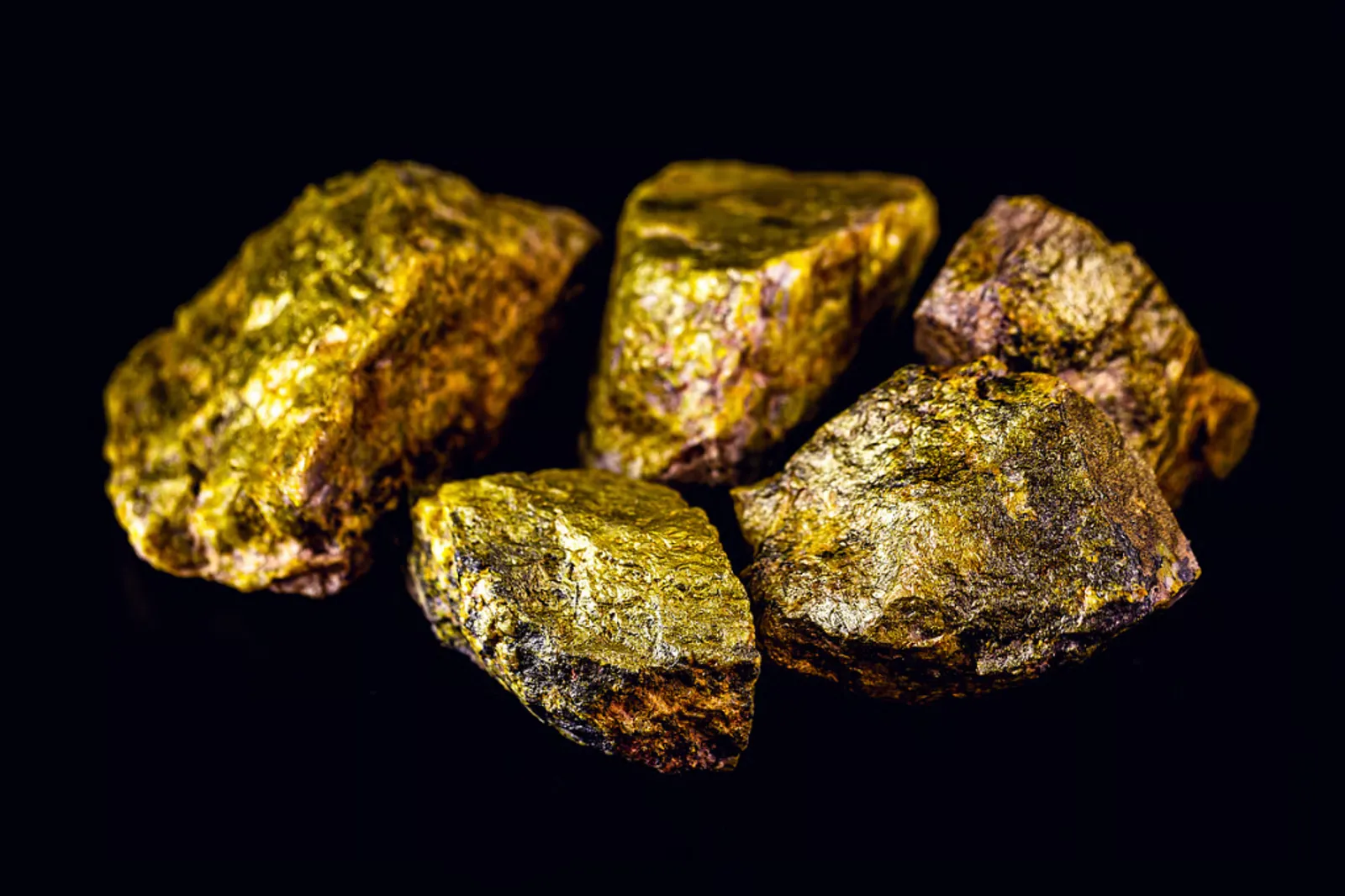
Uranium is a radioactive, silvery-gray heavy metal with chemical symbol U and atomic number 92. Discovered by German chemist Martin Heinrich Klaproth in 1789, it was named after the newly discovered planet Uranus. Its high density and fissionability make it the primary fuel source for nuclear power generation, as well as finding critical uses in medicine, military armor, and radiation shielding.
Why does India need Uranium?
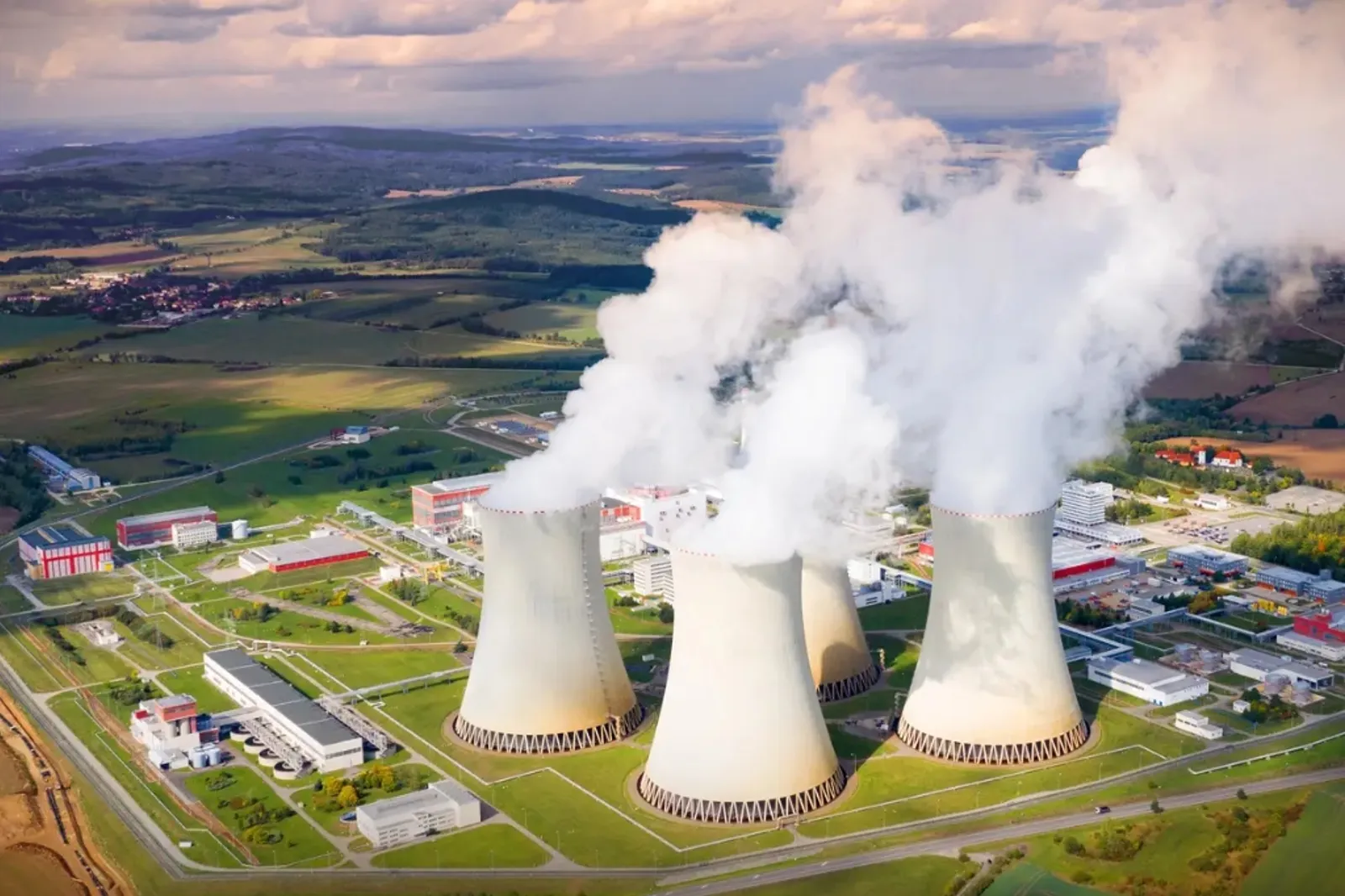
India has set a target of achieving 100 GW of nuclear power capacity by 2047 (the centenary of India's independence).
- Current Scenario: India currently operates 24 nuclear reactors with an aggregate installed capacity of around 8.78 GW.
- Future Milestones: The capacity is slated to grow to 22 GW by 2031-32, culminating in the 100 GW milestone by 2047.
Since India's domestic uranium reserves are limited, international supply agreements are essential to keep reactors fueled.
Uranium Reserves: Australia & Global Status
Australia holds the largest recoverable resources of uranium in the world, making up roughly 28% of the global share. The distribution of major reserves is represented below:
| Country | Global Share of Reserves |
|---|---|
| Australia | 28% |
| Kazakhstan |
Major Sources of India's Uranium Imports
India currently imports uranium from the following key countries:
| Country | Estimated Share | Key Exam Fact |
|---|---|---|
| Kazakhstan | 40–50% | India's largest foreign uranium supplier. |
Nuclear Power Operations in India
The construction and operation of nuclear power reactors in India are managed by the Nuclear Power Corporation of India Limited (NPCIL).
- NPCIL: A wholly owned Government of India enterprise under the administrative control of the Department of Atomic Energy (DAE). It handles designing, constructing, commissioning, and running commercial nuclear power stations.
- Nuclear Energy Mission: Mandated to accelerate the deployment of clean nuclear energy across India, reducing carbon footprint, providing stable grid power, and supporting India's pledge to reach Net-Zero carbon emissions by 2070.
Practice Questions
1Which country holds the world's largest known reserves of uranium?
2What is India's target for nuclear energy capacity by the year 2047?
3Who is considered the father of India's nuclear energy program?
4Where is the headquarters of the International Atomic Energy Agency (IAEA) located?
5What is the primary function of the Nuclear Power Corporation of India Limited (NPCIL)?
6Which fuel is emphasized in the third stage of India's three-stage nuclear power program?
7What ambitious nuclear energy generation capacity target has India set to achieve by the year 2047?
8Where is the 'Olympic Dam' mine, one of the world's largest deposits of Uranium, located?
Frequently Asked Questions
Article Sources
3 sources
Article Sources
3 sources