
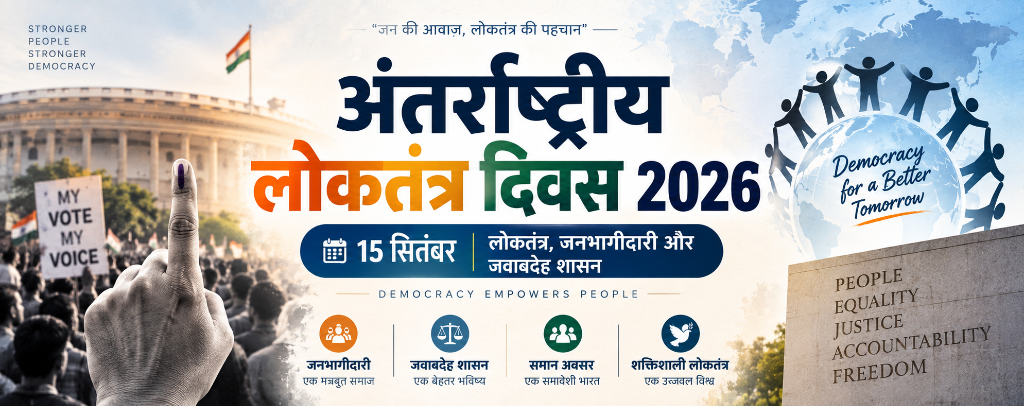
International Day of Democracy 2026: 15th September, Civic Participation, Accountable Governance, IPU, UDHR & UNDEF | MPPSC & UPSC
Complete analytical coverage of International Day of Democracy observed on 15th September 2026. Covers 2007 UNGA resolution, 1997 IPU Universal Declaration on Democracy, ICNRD process, 2026 focus on civic participation, UDHR Article 19, UN Democracy Fund (UNDEF), parliamentary roles, 10 FAQs, and 8 practice MCQs for MPPSC & UPSC exams.

Key Highlights
Every year on 15th September, the world observes the International Day of Democracy. This landmark international day underlines the critical importance of democratic values, human rights, freedom of expression, active civic participation, and accountable governance. Democracy is not merely a political system of holding periodic elections; it is a comprehensive philosophy that empowers citizens with fundamental freedoms, equality, justice, and direct involvement in decision-making processes that shape their lives and future of the nation. From the perspective of competitive examinations (MPPSC Mains Paper 2 - Polity & Governance and UPSC GS Paper 2 - Polity, Governance & International Relations), understanding the historical evolution, UN initiatives, role of parliaments, human rights frameworks, and Indian constitutional safeguards is essential. For regular current affairs updates, visit our MPPSC Current Affairs and General Awareness sections.
1. International Day of Democracy: Key Exam Highlights
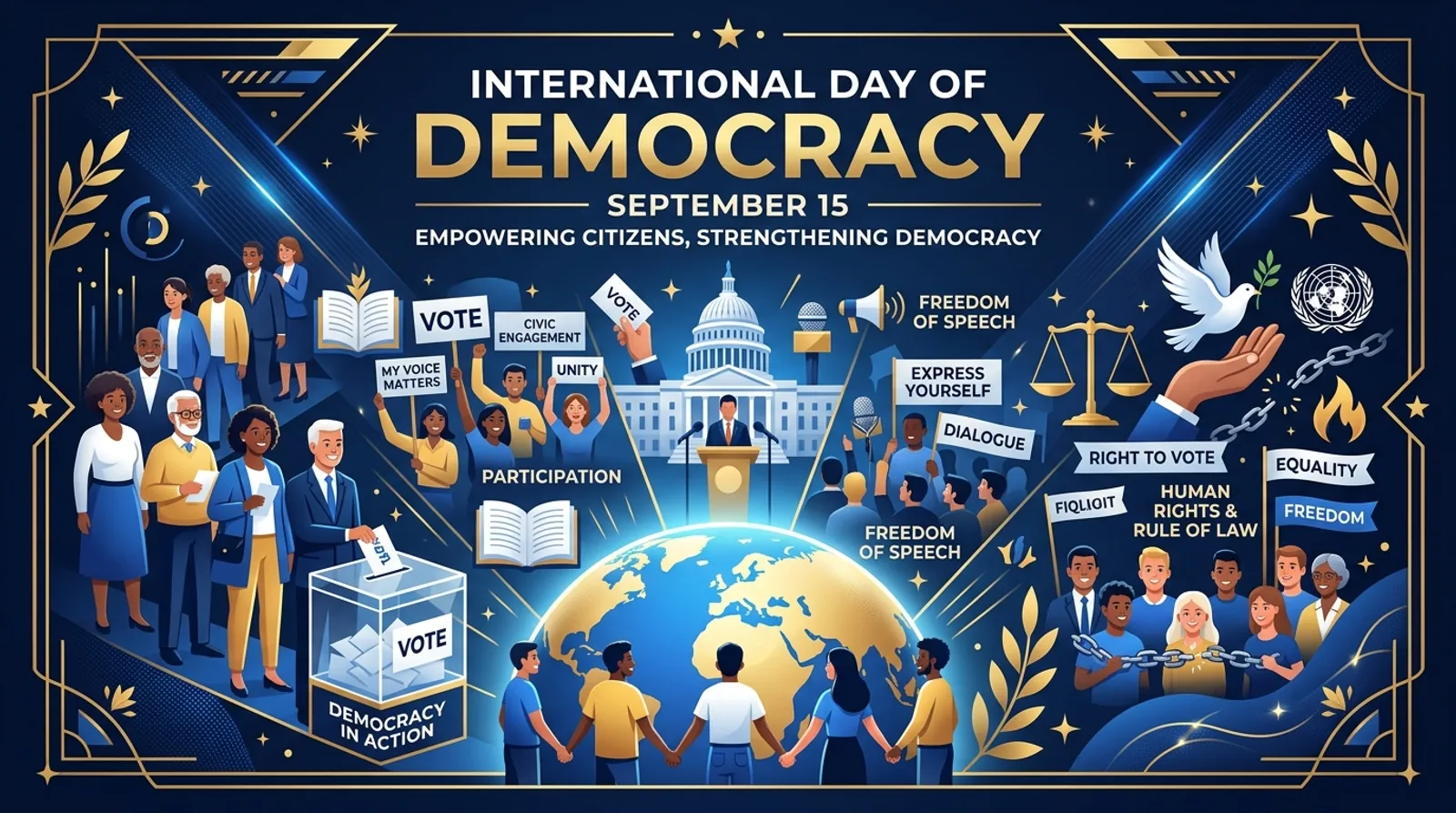
- Observation Date: 15th September every year.
- Establishment: Proclaimed by the United Nations General Assembly (UNGA) through Resolution 62/7 in 2007.
- First Edition: Observed for the first time in 2008.
- Primary Objective: Promoting democratic principles, protecting fundamental human rights, enhancing public participation, and monitoring transparent governance globally.
- Central Focus: Drawing citizen attention to the importance of active participation in decisions affecting their daily lives.
- Nodal International Entities: UN General Assembly (UNGA), Inter-Parliamentary Union (IPU), and United Nations Democracy Fund (UNDEF).
2. Main Theme & Special Focus Areas for 2026
- Official Theme for 2026: According to the Inter-Parliamentary Union (IPU), the official theme for International Day of Democracy 2026 is "Focus on human rights". This theme places human rights, social equality, and human dignity at the very center of democratic discourse, policy formulation, and governance.
- Broad Civic Participation: Guaranteeing broad citizen participation in decision-making and policy formulation while protecting human rights.
- Strengthening Expression & Inclusivity: Reinforcing freedom of expression, social equality, digital accessibility, and inclusion of marginalized communities.
- Accountable Institutions: Making democratic institutions (parliament, judiciary, electoral commission) more accountable, responsive, and transparent.
- Building Resilient Societies: Enhancing the active role of citizens in building peaceful, inclusive, and crisis-resilient societies.
- Deliberative Democracy: Encouraging global discourse on modern mechanisms such as Citizen Assemblies, community dialogue, and deliberative governance.
3. History & Chronology of International Day of Democracy
- 1988 (ICNRD Process Initiated): Following the initiative of Philippine President Corazon C. Aquino, the International Conferences on New and Restored Democracies (ICNRD) process began to restore global democratic governance.
- September 1997 (IPU Declaration): The Inter-Parliamentary Union (IPU) adopted the landmark Universal Declaration on Democracy in September 1997, laying foundational principles for democratic governance.
- 2006 (Doha Conference): The 6th Conference of ICNRD in Doha, Qatar recommended the creation of an international day for democracy.
- 8th November 2007 (UNGA Resolution): The UN General Assembly unanimously adopted Resolution 62/7 establishing 15th September as the International Day of Democracy.
- 15th September 2008 (First Global Celebration): The inaugural International Day of Democracy was formally celebrated worldwide.
4. Role of Parliament in Democratic Governance
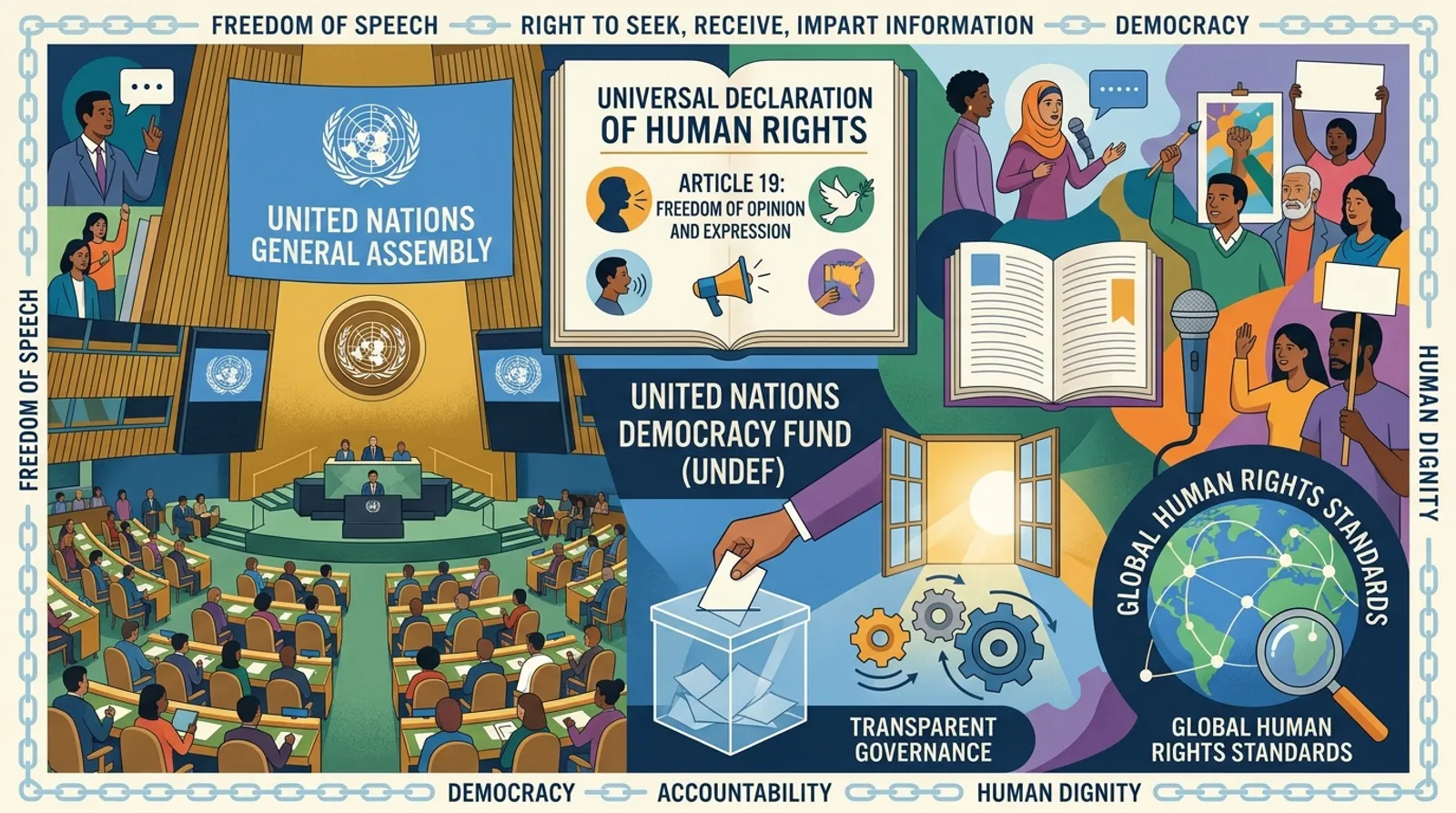
- Public Representation: Parliament is the supreme representative institution giving voice to diverse regions, cultures, and citizens in governance.
- Lawmaking Function: Enacting transparent, equitable, and progressive legislation for public welfare.
- Executive Accountability: Ensuring executive accountability through Question Hour, Calling Attention Motions, No-Confidence Motions, and Parliamentary Committees.
- Forum for Debate: Providing the primary forum for robust debate on issues of national and international importance.
- Strengthening Citizen Engagement: Institutionalizing direct and indirect citizen participation in legislative governance.
5. Human Rights & Democracy: UDHR Article 19
- Democracy Beyond Voting: Democracy is not limited to holding elections; it encompasses fundamental rights protection, equality, citizen liberties, and administrative accountability.
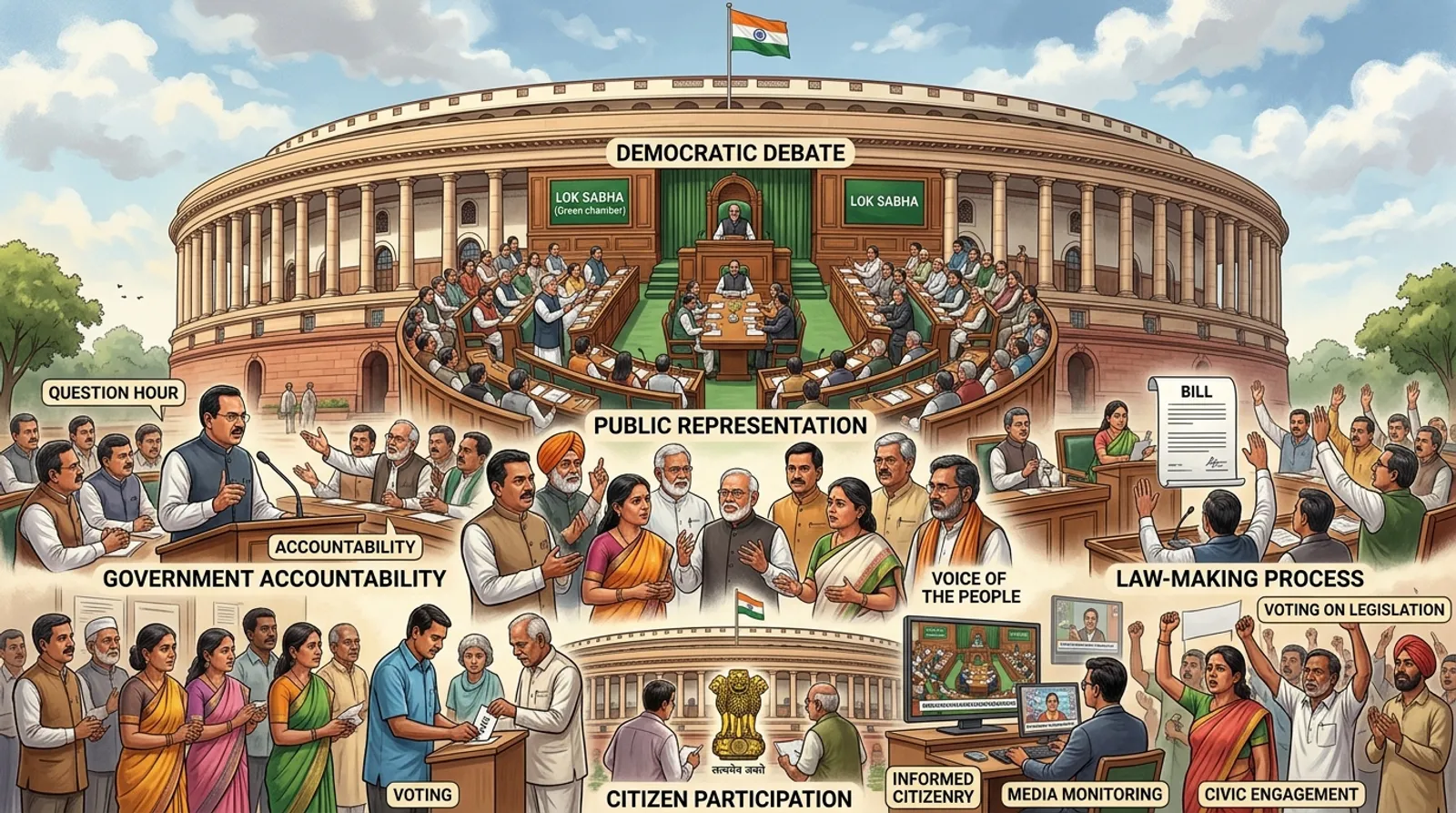
- UDHR Article 19: Article 19 of the Universal Declaration of Human Rights (UDHR, 1948) explicitly guarantees the freedom of opinion and expression.
- Right to Seek and Share Information: Under Article 19, everyone has the right to hold opinions without interference and to seek, receive, and impart information and ideas through any media.
- Indian Constitutional Mapping: Article 19(1)(a) of the Constitution of India guarantees 'Freedom of Speech and Expression' as a fundamental right to all citizens. For structured study materials, explore our MPPSC Notes.
6. What is the UN Democracy Fund (UNDEF)?
- Full Form: United Nations Democracy Fund (UNDEF).
- Established: 2005 (announced by UN Secretary-General Kofi Annan).
- Core Function: UNDEF supports projects by Civil Society Organizations (CSOs) that empower civic participation, strengthen democratic institutions, promote gender equality, and foster transparent governance.
- Target Initiatives: Provides grants to independent media, civic education, youth leadership, and human rights defenders in developing and emerging democracies.
7. Foundation of Democracy in India & Constitutional Framework
- World's Largest Democracy: India is the world's largest vibrant democracy, empowering over 1.4 billion citizens with democratic rights.
- Preamble Principles: The Preamble of the Constitution of India resolves to constitute India into a 'Sovereign, Socialist, Secular, Democratic Republic'.
- Universal Adult Suffrage (Article 326): Article 326 guarantees equal voting rights to every citizen aged 18 and above without discrimination.
- Panchayati Raj & Local Governance (73rd & 74th Amendments): Grassroots democracy and decentralized governance are constitutionally fortified through Panchayati Raj institutions and urban local bodies. Check out our Online Courses and Publications for comprehensive exam preparation.
8. Quick Revision Points for MPPSC & UPSC Exams
- 15th September → International Day of Democracy
- 2026 Theme → "Focus on human rights" (IPU Initiative)
- 2007 → UNGA Resolution 62/7 established International Day of Democracy
- 2008 → First celebration of International Day of Democracy
- 1997 → IPU adopted Universal Declaration on Democracy
- 1988 → ICNRD process launched on Philippine President Corazon Aquino's initiative
- 2005 → UN Secretary General established UN Democracy Fund (UNDEF)
- UDHR Art. 19 → Universal Right to Freedom of Opinion & Expression
- Indian Constitution Art. 19(1)(a) → Freedom of Speech & Expression
- Indian Constitution Art. 326 → Universal Adult Suffrage (18 years+)
Practice Questions
1International Day of Democracy is observed globally on which date every year?
2In which year was the International Day of Democracy established by the UN General Assembly?
3The 'Universal Declaration on Democracy' was adopted in September 1997 by which international organization?
4Which article of the Universal Declaration of Human Rights (UDHR) relates to freedom of opinion and expression?
5In which year was the United Nations Democracy Fund (UNDEF) created?
6Consider the following statements regarding democracy initiatives: 1. The ICNRD process was launched in 1988 on the initiative of Philippines. 2. The first International Day of Democracy was celebrated on 15th September 2008. Which of the above statements is/are correct?
7Which article of the Constitution of India deals with Universal Adult Suffrage?
8Select the correct statement regarding the primary role of Parliament in a democratic governance system:
9According to the Inter-Parliamentary Union (IPU), what is the official theme for International Day of Democracy 2026?
Frequently Asked Questions
साझा करें
Related Articles
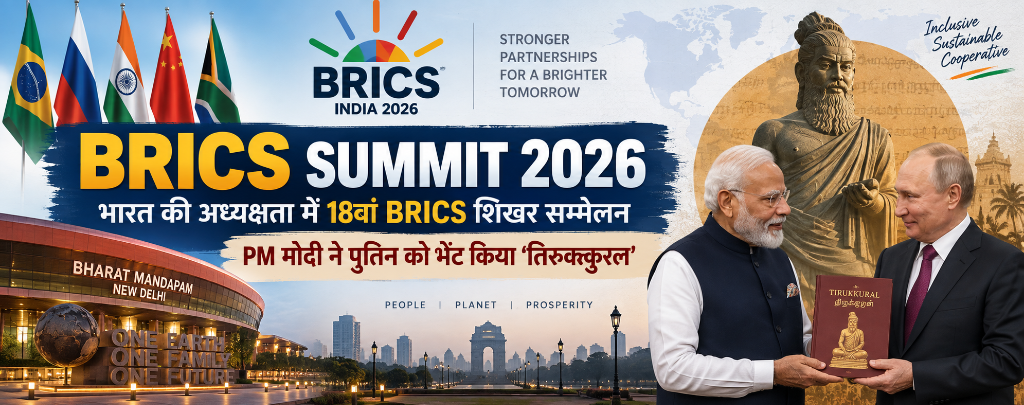
18th BRICS Summit 2026 (New Delhi): India's Chairship, Agenda, Strategic Interests, 11 Member Nations, NDB & 25-Year Journey | MPPSC & UPSC Notes
Complete guide to the 18th BRICS Summit held under India's presidency on 12-13 September 2026 at Bharat Mandapam, New Delhi. Covers full summit agenda, India's 11 strategic interests, 25-year milestone (2001-2026), BRICS expansion to 11 members, Thirukkural gift, NDB & 8 MCQs for MPPSC & UPSC.

Ramon Magsaysay Award 2026: Full Winners List, Asia's Premier Honor & Key Exam Facts (MPPSC & UPSC)
The 68th Ramon Magsaysay Award 2026 honours three Asian leaders: Tommy Koh (Singapore), Runa Khan (Bangladesh), and Bo Kyi (Myanmar). Explore the history of Asia's Nobel Prize, Indian laureates, and 8 practice MCQs for MPPSC & UPSC.
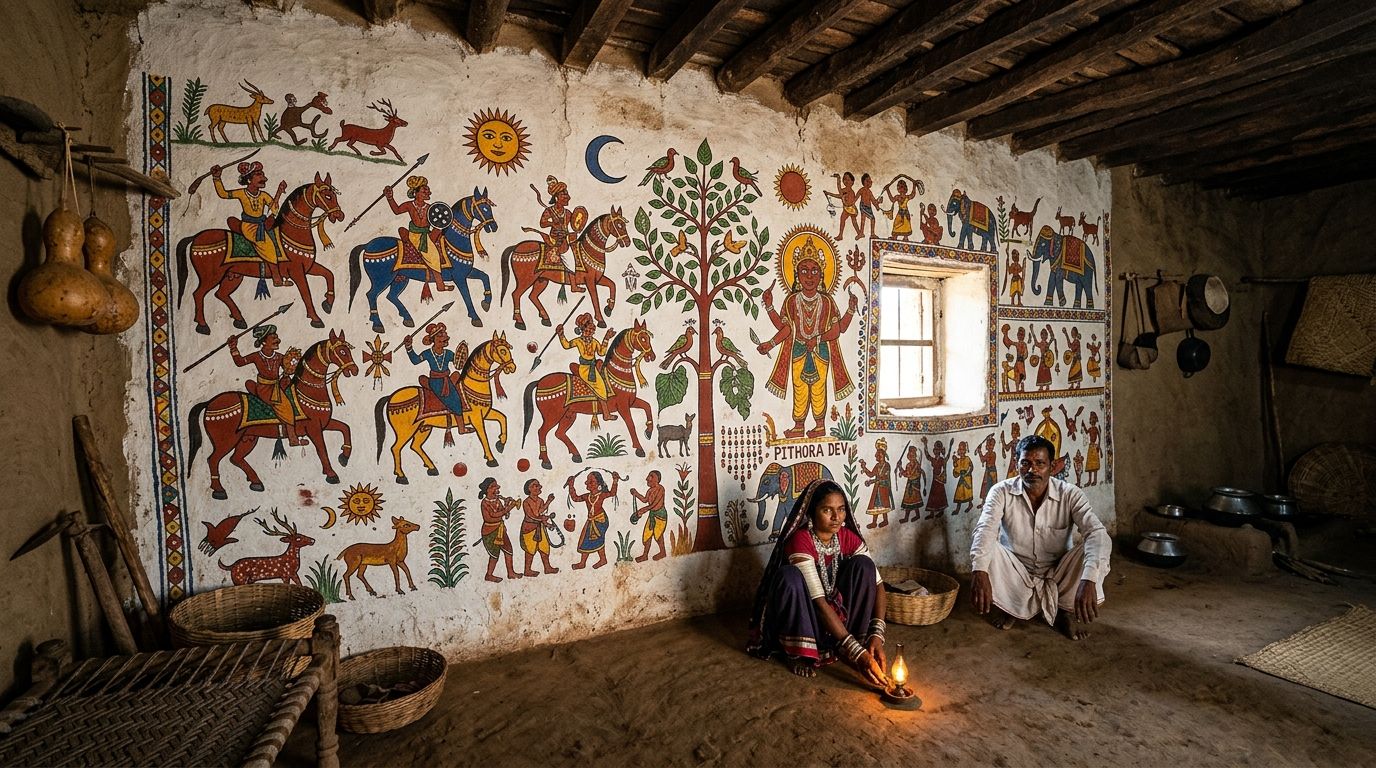
Pithora Painting Granted Geographical Indication (GI) Tag (2026): MP & Gujarat Bhil-Rathwa Ritual Wall Art, Padma Shri Bhuri Bai & GI Impact | MPPSC & UPSC
Comprehensive guide on Pithora Painting awarded GI Tag in 2026. Covers MP & Gujarat Bhil-Rathwa tribal heritage, Likhindra/Jhokhara/Badwa roles, 7 Horses representing 7 Hills, Padma Shri Bhuri Bai (2021), Gangu Bai, natural dyes with milk & alcohol binders, 10 FAQs, and 8 model MCQs for MPPSC & UPSC exams.
Join Aakar IAS Community
Get daily Current Affairs PDFs directly on your WhatsApp, or join our official Telegram & WhatsApp channels.