Why is it Important in Exams?
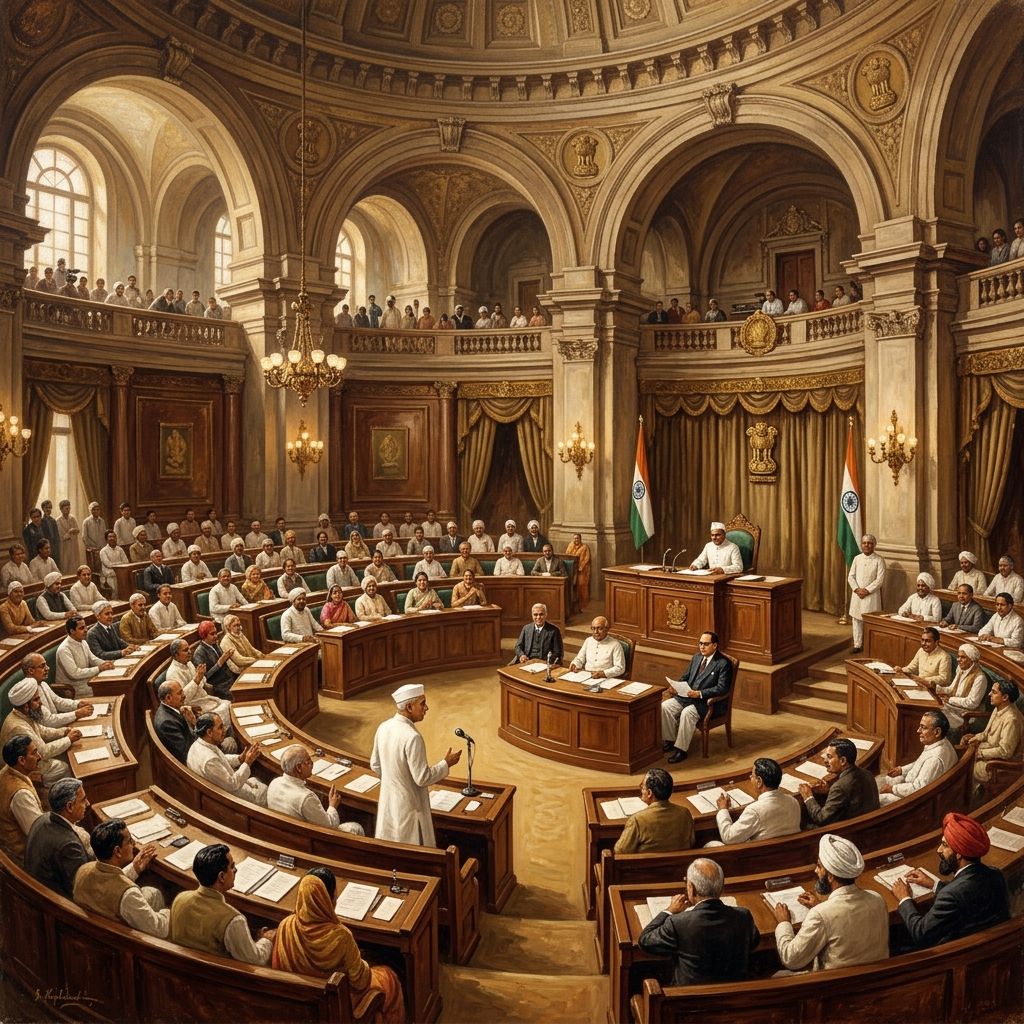
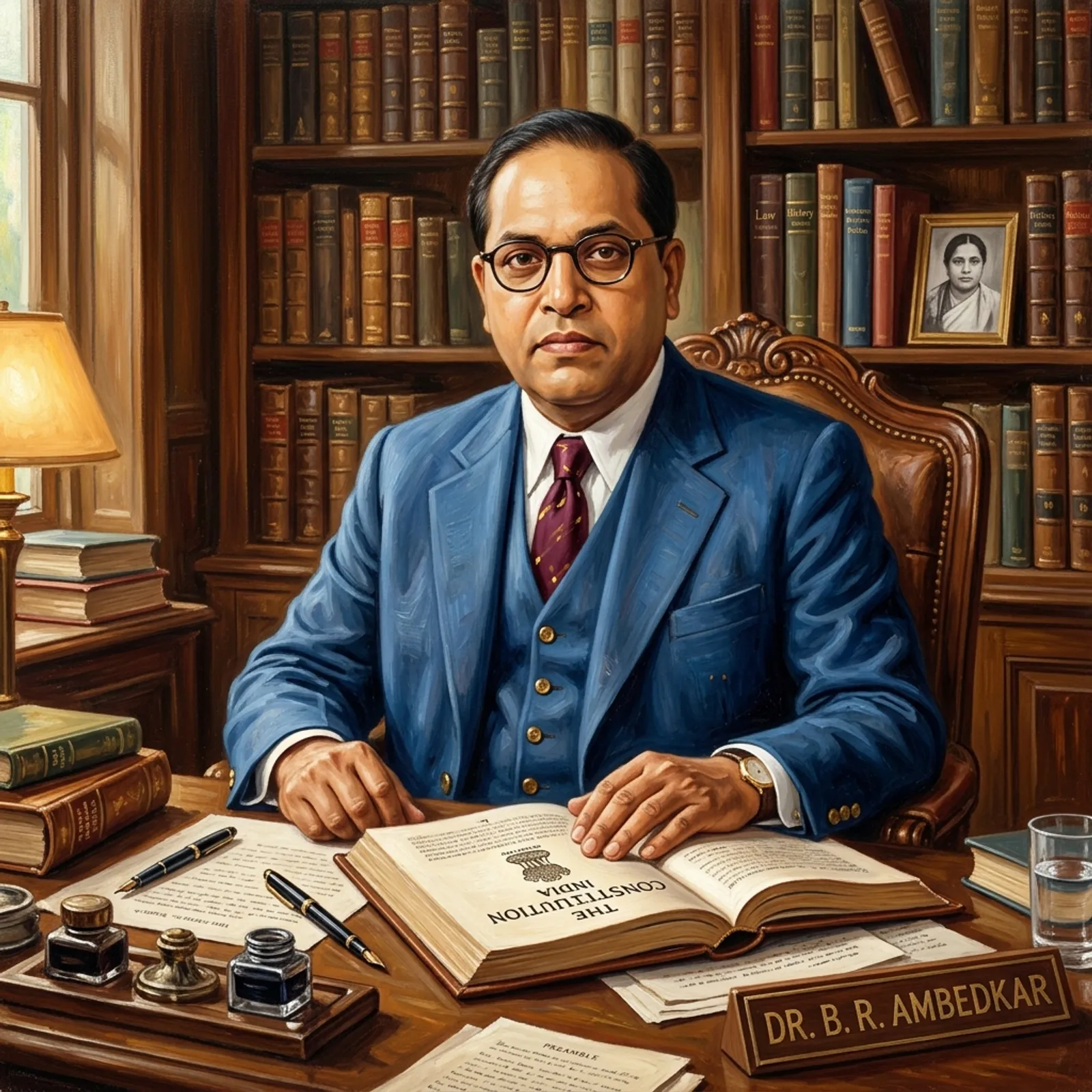
The Indian Constitution was drafted by the Constituent Assembly. Facts regarding its formation, composition, timeline of meetings, drafting committees, and key office bearers are frequently asked in UPSC, MPPSC, SSC, and other competitive examinations.
Formation of the Constituent Assembly & Key Dates
- Basis of Formation: Cabinet Mission Plan (1946)
- First Meeting: December 9, 1946 (in the Central Hall of Parliament)
- Adoption of the Constitution: November 26, 1949 (Celebrated as 'Constitution Day' or 'Samvidhan Diwas' in India)
- Final Session: January 24, 1950 (Members signed the official manuscript copies)
- Date of Commencement: January 26, 1950 (Commemorated as Republic Day)
Composition of the Constituent Assembly & Women Representation
- Initial Strength (Before Partition): 389 Members
- From British Provinces: 292 members
- From Princely States: 93 members
- From Chief Commissioner's Provinces: 4 members
- Post-Partition Strength (299 Members): Reduced from 389 following the withdrawal of Muslim League representatives.
Key Office Bearers & Committees of the Assembly
- Temporary President: Dr. Sachchidananda Sinha (Chosen on Dec 9, 1946, as the oldest member, following the French practice)
- Permanent President: Dr. Rajendra Prasad (Elected on Dec 11, 1946)
- Vice-Presidents: Frank Anthony (Temporary) | H. C. Mookherjee (Permanent)
- Constitutional Advisor: Sir B. N. Rau (Benegal Narsing Rau)
Timeline, Readings, and Financial Budget
- Total Time Taken: 2 years, 11 months, and 18 days
- Total Sessions: 11 Sessions (comprising 165 days of active work)
- Consideration of Draft Constitution: 114 days
- Total Expenditure Incurred: ₹63,96,729
- Seal/Symbol of the Assembly: Elephant
- Three Readings of the Draft Constitution:
Calligraphy & Artistic Beautification of the Constitution
- Calligrapher of the Original English Copy: Prem Behari Narain Raizada (Handwrote the entire constitution in beautiful running italic style without charging any fee, on the condition that he sign every page and include his grandfather's name on the final page)
- Calligrapher of the Hindi Copy: Vasant Krishnan Vaidya
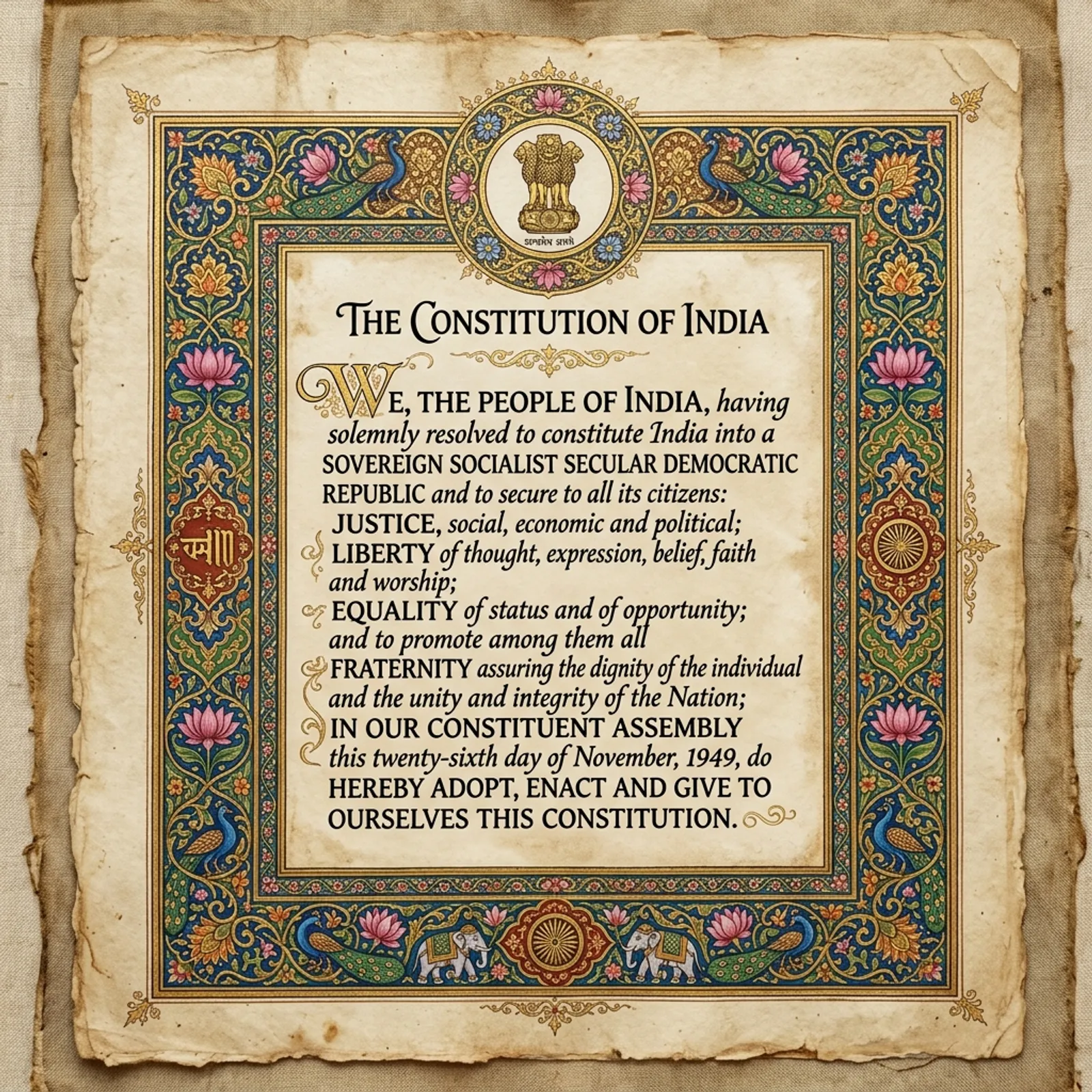
- Beautification and Illuminations: Executed by artists from Shantiniketan:
- : Nandalal Bose
Practice Questions
1On the basis of which plan was the Constituent Assembly formed?
2Who was the Permanent President of the Constituent Assembly?
3What was the initial total strength of the Constituent Assembly?
4Who was the Chairman of the Drafting Committee of the Indian Constitution?
5When was the Indian Constitution adopted?
6How many total women members were there in the Constituent Assembly?
7Consider the following statements: 1. The Constituent Assembly was formed under the Cabinet Mission Plan. 2. The Constitution took 2 years, 11 months, and 18 days to be completed.
Frequently Asked Questions
Article Sources
2 sources
Article Sources
2 sources