
Why in News?
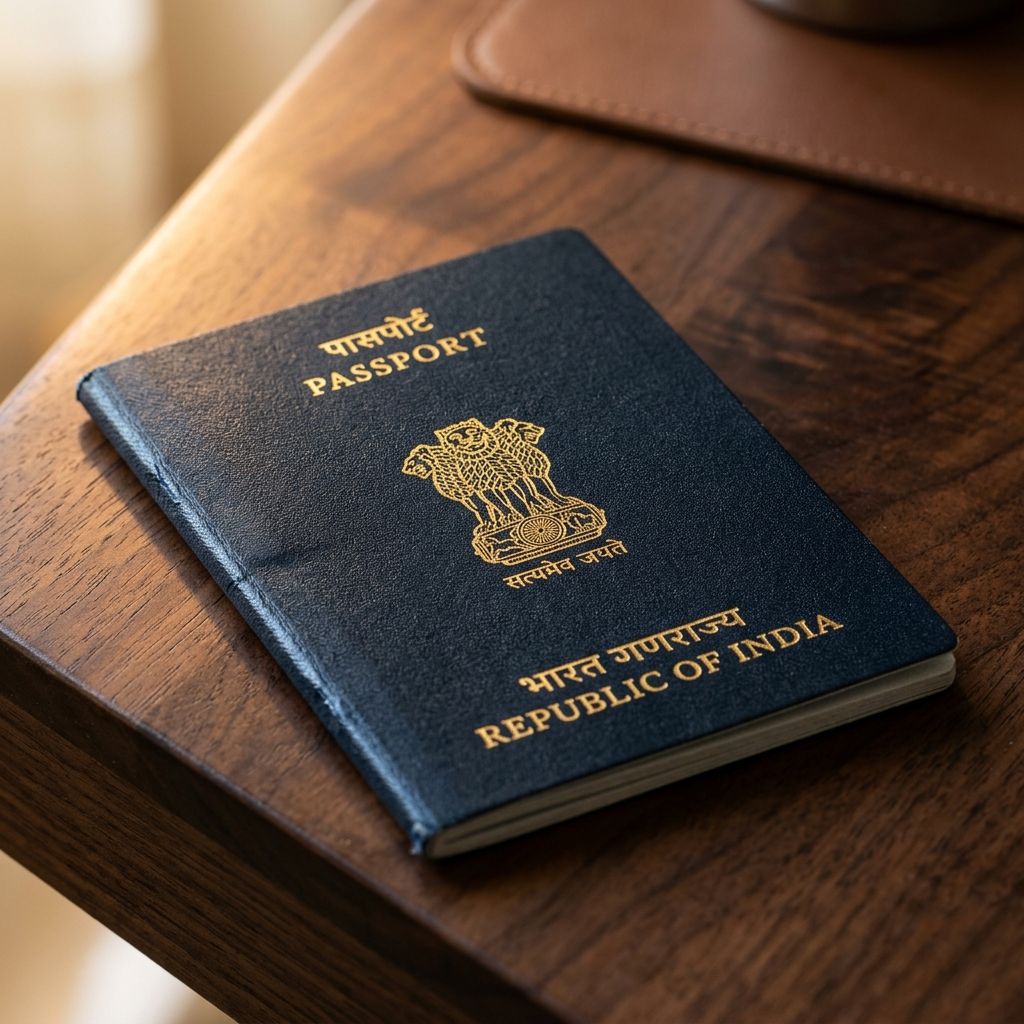
Recently, the Ministry of External Affairs (MEA) clarified that an Indian passport is not the conclusive proof of citizenship, but rather a travel document. Its primary purpose is to authorize Indian citizens to travel abroad and to provide diplomatic/consular assistance through Indian missions abroad.
What are Passport and Citizenship?
Passport: A passport is a government travel document issued under the Passport Act, 1967. It serves as evidence of the holder's identity and nationality, but is not considered conclusive proof of citizenship.
Citizenship: Citizenship is a legal relationship between an individual and the state, granting rights and obligations under the constitution and laws. In India, citizenship is primarily governed by the Citizenship Act, 1955.
Differences Between Passport and Citizenship
- Passport is a travel document, whereas Citizenship is a legal status.
- A passport is issued under the Passport Act, 1967, while citizenship is regulated under the Citizenship Act, 1955.
- The primary purpose of a passport is to facilitate foreign travel, whereas citizenship is the prerequisite for voting rights, holding constitutional offices, and receiving government services.
- A passport is not conclusive proof of citizenship, whereas citizenship is established through various supporting legal documents.
No Single Universal Citizenship Certificate in India
There is no single 'Universal Citizenship Certificate' in India that every citizen possesses. Citizenship status is determined using various legal records and documents, such as birth certificates, proof of parents' citizenship, registration certificates, and naturalization documents.
4 Key Ways to Acquire Indian Citizenship (Citizenship Act, 1955)
- Jan 26, 1950 to July 1, 1987: Anyone born in India is a citizen by birth regardless of parents' nationality.
- July 1, 1987 to Dec 3, 2004: At least one parent must be an Indian citizen at the time of birth.
- After Dec 3, 2004: One parent must be an Indian citizen and the other must not be an illegal migrant.
- A person born outside India can become an Indian citizen if either parent was a citizen of India at the time of birth, subject to timely registration at the Indian consulate.
- Persons of Indian Origin (PIO), spouses of Indian citizens, and minor children can be registered as citizens upon meeting specific residency criteria.
Key Amendments and Judicial Decisions
- 1986 Amendment: Ended the absolute right of citizenship by birth (jus soli) and introduced the requirement of parent's citizenship.
- 2003 Amendment: Disallowed children of illegal migrants from acquiring citizenship by birth and introduced stricter enforcement.
- OCI and PIO Schemes (2005, 2015): Introduced the Overseas Citizen of India (OCI) scheme. Later in 2015, the PIO (Person of Indian Origin) card scheme was merged with the OCI card scheme.
- Citizenship Amendment Act, 2019 (CAA): Provided a fast-track pathway to citizenship for persecuted religious minorities (Hindus, Sikhs, Buddhists, Jains, Parsis, and Christians) who arrived from Pakistan, Bangladesh, and Afghanistan on or before December 31, 2014.
Important Exam Facts
- Single Citizenship: The Indian Constitution does not allow dual citizenship. It only provides for single citizenship.
- Issuing Authority: Indian passports are issued by the Ministry of External Affairs (MEA), Government of India.
- Core Purpose of Passport: To regulate and validate international travel and ensure consular support abroad, rather than establishing domestic citizenship.
- Constitutional Position: Part II of the Constitution (Articles 5 to 11) deals with citizenship.
- Article 11: Grants Parliament the exclusive power to regulate the right of citizenship and make legislation on it.
Practice Questions
1Which of the following statements is correct?
2Under which Act is the Indian Passport issued by the Ministry of External Affairs?
3Under which ministry does the Central Passport Organization (CPO) operate in India?
4What is the cover color of the 'Diplomatic Passport' issued to diplomats and high-ranking officials in India?
5Which Article of the Indian Constitution deals with the rights of citizenship at the commencement of the Constitution?
6Under the Seventh Schedule of the Indian Constitution, 'Passports and Visas' is a subject under which List?
7Which Article of the Indian Constitution states that voluntarily acquiring citizenship of a foreign state terminates Indian citizenship?
8Under the Indian Citizenship Act, 1955, how many ways are there to acquire Indian citizenship?
Frequently Asked Questions
Article Sources
2 sources
Article Sources
2 sources